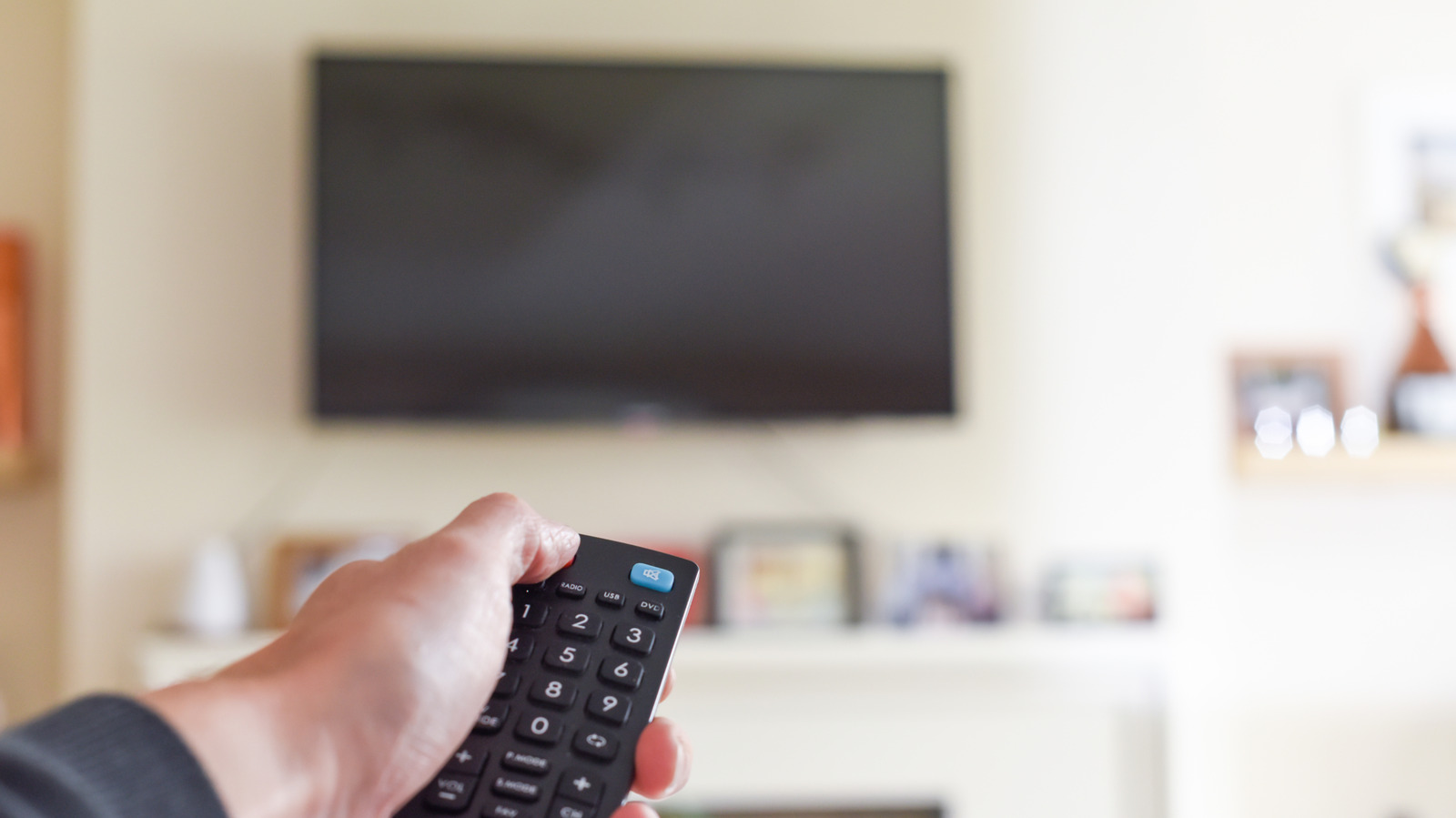
Immediate Benefits of Standby
Smart TVs that stay in standby boot up in seconds, not minutes, because the operating system remains loaded in RAM. As reported by Engadget, modern platforms such as LG WebOS, Google TV, Amazon Fire TV OS, and Roku OS take as long to start as a flagship smartphone, and the standby state eliminates that delay. Users who power-cycle their sets lose those seconds each time they turn the TV on.
Background Updates Happen Silently
While the screen is dark, the TV continues to download firmware and app updates. This means a user will not be interrupted by a mandatory OS upgrade before watching a show. Engadget notes that streaming apps like Netflix and YouTube push frequent patches that complete in standby, keeping the experience smooth without manual intervention.
OLED Panel Maintenance Requires Power
OLED displays are prone to permanent image retention if static content is shown for too long. Manufacturers embed a pixel-refresh or automatic compensation cycle that runs only when the TV is in standby. Skipping standby—by unplugging the set immediately after use—prevents this cycle, increasing the risk of uneven wear. Engadget explains that repeated interruption of the cycle can lead to noticeable burn-in over months of use.
Energy Impact Is Minimal
In the United States, ENERGY STAR-certified TVs must consume no more than one watt while in standby, even when connected to Wi-Fi. One watt continuously for a year equals roughly 9 kWh, translating to about $1.50 on the average U.S. electricity rate. Regions with higher rates, such as California, see a proportionally larger cost, but the absolute figure remains low.
When to Unplug
If a household will be vacant for weeks, unplugging eliminates even the minimal standby draw and protects against power surges. For day-to-day use, the convenience of instant on outweighs the negligible energy cost. Engadget advises checking the user manual for a proper reboot method—often a long-press of the remote power button—to clear memory and refresh system performance.
Regulatory Context
The One Watt Initiative, adopted by several jurisdictions, codifies the 1 W ceiling as a legal requirement for new TVs. This regulatory push ensures that manufacturers cannot rely on consumer ignorance to justify higher standby consumption.
Second-Order Consequences
- Consumer expectations: Faster boot times set a new baseline for user experience, pressuring legacy TV manufacturers to adopt low-power standby chips.
- Supply chain impact: Standby circuitry relies on efficient DC-DC converters; demand for such components may rise, influencing semiconductor fab capacity.
- Environmental reporting: With millions of TVs sold annually, even a 1 W reduction aggregates to a measurable drop in global residential electricity demand.
What to Watch Next
Future firmware may enable users to schedule pixel-refresh cycles, balancing power use with panel longevity. Additionally, upcoming ENERGY STAR revisions could tighten the standby limit to 0.5 W, prompting another wave of hardware redesign.
Should I keep my TV in standby mode?
Yes. Standby provides instant power-on, allows background updates, and for OLED panels runs essential pixel-refresh cycles that protect against burn-in. The energy cost is under one watt, adding only a dollar or two to the annual electricity bill.
When is it worth unplugging a smart TV?
Unplugging makes sense for extended absences (weeks or more) or in regions with unusually high electricity rates. For typical daily use, the convenience and maintenance benefits of standby outweigh the minimal power draw.
For a broader view of how smart-TV platforms integrate with other devices, see the analysis of universal remote features in the Google TV and Apple Remote Features Turn Phones Into Universal TV Remotes.
Related coverage
- Smart TVs Aren’t Enough: Why Streaming Devices Remain Essential in 2026
- Android Gaming Phone Specs: What to Look for in a Premium Device
- Robot Vacuums Reveal Hidden Costs and Operational Limits