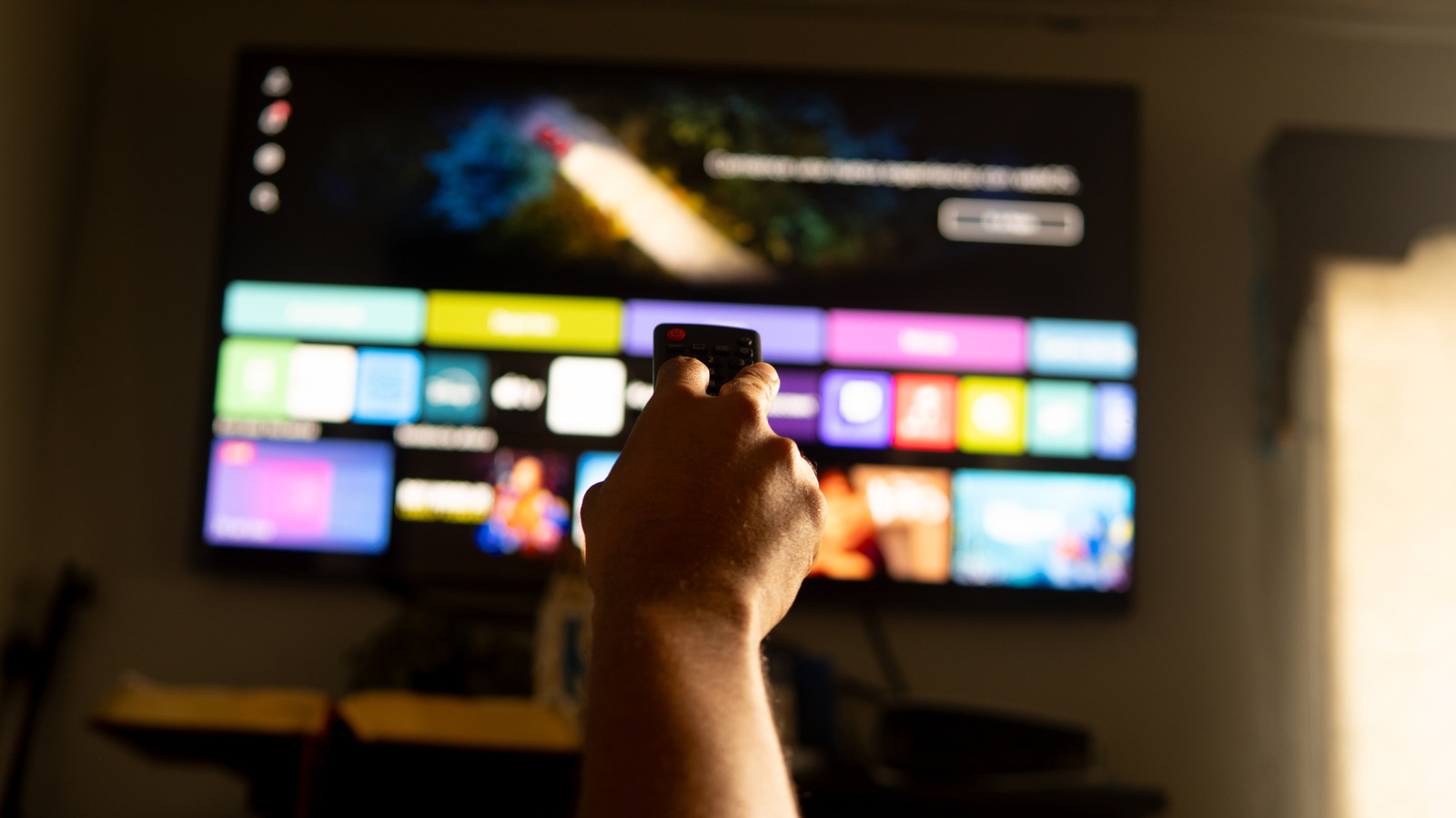
The latest wave of ad-supported streaming (FAST) apps is now baked into virtually every 2026 smart TV, giving users instant access to free movies and live channels without a single subscription fee. Ben Stegner reported on Sept. 20, 2026 that the market now offers seven distinct services that work natively on major TV platforms, and the rollout has immediate implications for cord-cutters, advertisers, and library systems alike.
1. Built-in FAST platforms
- Names per brand – LG Channels, Samsung TV Plus, The Roku Channel, Google TV Freeplay, Vizio WatchFree+
- Content mix – On-demand titles (typically 2-hour blocks) plus linear channels that mimic traditional cable
- Technical note – These apps run as native Android TV or webOS services, leveraging the TV’s hardware decoder for low-latency playback and inserting server-side ad stitching at ~4-6 minutes per hour.
- Takeaway – No extra hardware, no account required; the TV itself becomes a FAST hub.
2. Tubi – Pure on-demand, no account needed
- Catalog – Over 30,000 movies and TV episodes, organized into genre collections, “Tubi Originals,” and a dedicated “Tubi Kids” section.
- Ad load – Reported average of 4-6 minutes of ads per hour, lower than broadcast standards.
- Device support – Native apps for Android TV, Roku, Amazon Fire TV, and Samsung Tizen; also searchable via TV app stores.
- Implication – Because Tubi does not require a login for most content, it reduces friction for casual viewers and expands the ad inventory pool for its parent Fox Corporation.
3. Pluto TV – Live-channel focus with on-demand fallback
- Channel strategy – Over 250 linear channels, many of which loop a single series (e.g., “Law & Order” 24/7) or genre block (anime, music videos).
- Account optional – Creating an account enables “favorites” sync across devices and personalized channel recommendations.
- Technical architecture – Pluto uses HLS streaming with adaptive bitrate ladders up to 1080p, ensuring smooth playback on low-end panels.
- Market effect – By replicating the cable-surfing experience, Pluto retains viewers who prefer passive channel-flipping, keeping ad impressions high.
4. Hoopla – Library-card powered on-demand
- Access model – Any patron with a participating public library card can borrow movies, TV episodes, and even comics directly on the TV.
- Content profile – Heavy on BBC titles, indie films, and occasional premium “BingePasses” that grant temporary access to services like Hallmark+.
- Ad-free – Content is funded by the library’s budget, so playback is uninterrupted.
- Operational note – Hoopla’s DRM relies on Widevine Classic, compatible with most smart-TV browsers, but requires a one-time library verification step.
5. Kanopy – Academic-leaning streaming via libraries
- Focus – Documentaries, foreign-language cinema, and educational series; over 30,000 titles.
- Library integration – Same card-based access as Hoopla, but limited to institutions that have purchased a Kanopy license.
- Zero-ads – Funding comes from the library consortium, delivering a clean viewing experience.
- User impact – Appeals to students and lifelong learners who want depth over breadth.
6. YouTube Free Movies & TV
- Navigation – Select “Movies & TV” → “Free” in the left sidebar; the library is curated by YouTube and includes studio-approved titles.
- Ad format – Pre-roll and mid-roll ads, typically 15-30 seconds, inserted via Google’s ad-serving platform.
- Device compatibility – Native YouTube app on Android TV, Roku, and Apple TV supports the free tier without extra plugins.
- Strategic angle – YouTube leverages its massive ad ecosystem to monetize free content, offering a low-cost alternative to traditional VOD services.
7. Emerging FAST aggregators (e.g., Xumo, Samsung TV Plus expansions)
- Trend – New entrants bundle multiple FAST channels into a single UI, using AI-driven recommendation engines to surface niche content.
- Technical shift – Server-side ad insertion (SSAI) combined with edge-caching reduces latency and improves ad fill rates on congested home networks.
- Regulatory watch – The FTC is reviewing ad-frequency disclosures for FAST services; developers must ensure transparent ad counts per hour.
Why the surge matters now
The proliferation of FAST apps aligns with two macro trends: the plateau of paid-streaming subscriber growth and the rollout of higher-bandwidth home Wi-Fi 6E routers in 2026. As households hit “subscription fatigue,” advertisers are shifting spend toward ad-supported inventory that can be delivered at scale on existing TV hardware. For developers, the FAST ecosystem offers a low-cost entry point: a single app can reach millions of pre-installed TV platforms, bypassing the need for external streaming sticks.
Risks and open questions
- Ad overload – While most services cap ads at ~6 minutes per hour, cumulative exposure across multiple apps can erode user experience.
- Content licensing – FAST channels rely on short-term deals; a sudden rights pull could empty a channel’s schedule overnight.
- Privacy – Server-side ad insertion tracks viewing patterns; regulators may demand clearer consent mechanisms.
What to watch next
- Hardware updates – Samsung’s 2027 QLED line promises built-in AI ad-skip, potentially reshaping FAST ad models.
- Library expansions – The American Library Association forecasts a 15% rise in library-card registrations by 2028, which could double Hoopla/Kanopy usage.
- Regulatory filings – Keep an eye on the FTC’s upcoming “FAST Transparency” rule proposal, expected Q4 2026.
For a deeper dive into why streaming devices still matter despite smarter TVs, see the analysis on Smart TVs Aren’t Enough: Why Streaming Devices Remain Essential in 2026.
Related coverage
- Google TV and Apple Remote Features Turn Phones Into Universal TV Remotes
- T-Mobile and AT&T Expand 5G Home Internet, Challenging Wired Broadband
- Smart TVs Benefit from Standby Mode with Faster Boot and Panel Care