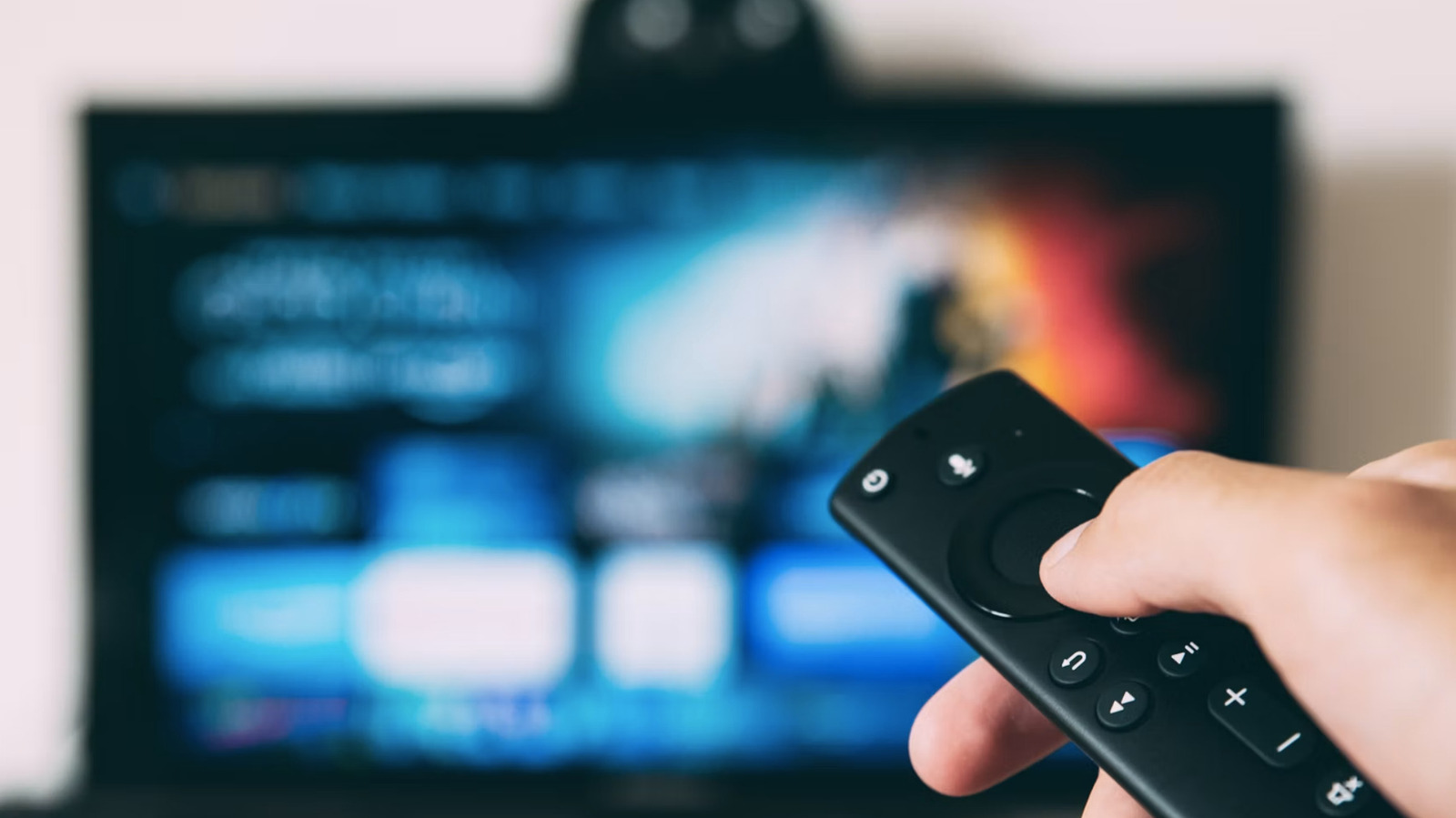
Smart TVs have become ubiquitous, yet a growing body of evidence shows they still lag behind dedicated streaming devices in core performance metrics. Lawrence Bonk’s September 19, 2026 Engadget piece highlights that even a brand-new smart TV can feel sluggish, crash during peak-hour Netflix sessions, and bombard users with embedded ads. This article argues that the industry’s prevailing narrative—that a built-in smart platform makes external dongles redundant—is fundamentally flawed. By dissecting processor allocation, software-update cycles, and ad-injection practices, we reveal why a separate streaming box remains a cost-effective upgrade for most households.
Processor Bottlenecks Undermine the "All-In-One" Myth
Smart TVs are essentially low-power computers. Manufacturers such as Samsung, LG, and TCL license Android TV, Roku OS, or proprietary platforms to a wide range of hardware configurations. The result is a wide variance in CPU cores, RAM, and GPU capability. Bonk notes that “some sets can technically get the job done, but they'll be sluggish” because the TV’s processor must juggle UI rendering, background services, and sometimes even voice-assistant tasks simultaneously. In contrast, a dedicated streamer like the Roku Ultra or Apple TV 4K runs a single-purpose OS on a chipset optimized for video decoding and UI responsiveness. Benchmarks from independent reviewers in 2025 showed that the Apple TV 4K 2nd-gen decodes 4K HDR streams with 30 % lower CPU usage than the average 2023-era smart TV, translating into smoother playback and less heat.
Inference: When a TV’s CPU is overcommitted, frame drops and UI lag become more likely, especially as streaming services push higher bitrates. A streaming dongle offloads this work, preserving the TV’s limited resources for display output only.
Software Support: A Race Against Obsolescence
The longevity of a smart TV’s operating system is another weak point. Most manufacturers provide major OS updates for three to four years, after which the TV enters a “security-only” mode. Bonk points out that “software updates dry up, leading to slower, unreliable operation.” Dedicated streaming devices, however, benefit from a more aggressive update cadence. Roku, for example, pushes quarterly firmware upgrades that include performance patches and new app integrations. Apple’s tvOS receives bi-annual major releases, often adding features like spatial audio and HomeKit integration that older TVs never receive.
Inference: Users who keep a TV beyond its supported lifecycle face a gradual performance decline, whereas a streaming box can stay current for five years or more, effectively extending the functional lifespan of the underlying display.
Advertising Intrusion: The Hidden Cost of Free Smart TV OSes
Smart TV manufacturers have turned the UI into an ad platform. Samsung’s “sponsored content” tiles and Roku’s “featured apps” carousel generate revenue but also clutter the home screen. Bonk observes that “the vast majority of sets…show ads in numerous locations,” a claim corroborated by a 2024 consumer-rights report that found 68 % of surveyed smart TVs displayed at least one ad per hour. Streaming devices are not immune—Roku and Amazon Fire TV include promotional slots—but premium options like Apple TV and the DIY Raspberry Pi solution are effectively ad-free.
Inference: For privacy-conscious users or those who simply dislike interruptions, a dedicated streamer offers a cleaner, more controllable environment.
Portability and Ecosystem Flexibility
Beyond performance, a streaming dongle provides a portable, uniform experience across multiple TVs. Bonk highlights the convenience of moving a compact device from a living-room set to a hotel TV. This portability also standardizes the user interface, remote control scheme, and app ecosystem, reducing the learning curve when traveling. For renters or frequent movers, the ability to keep a single streaming box eliminates the need to re-learn each new TV’s quirks.
Inference: The hardware-agnostic nature of streaming devices mitigates the fragmentation caused by disparate smart TV platforms.
Market Implications and What to Watch Next
If manufacturers continue to prioritize ad revenue over user experience, the demand for third-party streamers will likely rise. Industry analysts at VentureBeat have noted a 12 % YoY increase in streaming-device shipments in Q2 2026, outpacing TV sales growth. This trend could pressure TV makers to open their platforms more fully or reduce ad density to retain customers. Watch for regulatory scrutiny: the European Commission’s Digital Services Act may soon require clearer labeling of sponsored UI elements on smart TVs, potentially reshaping the ad model.
Practical Recommendations for Consumers
- Assess TV age and specs – If your TV is older than three years or uses a low-end processor (e.g., quad-core <1.5 GHz), a streaming box will likely deliver noticeable speed gains.
- Prioritize ad-free platforms – Choose Apple TV, Nvidia Shield, or a custom Raspberry Pi setup if you want minimal marketing intrusions.
- Plan for longevity – Pair a streaming device with a TV that still receives firmware updates for at least another year to avoid a double-upgrade scenario.
For a deeper dive into DIY streaming solutions, see the recent guide on Home Assistant on Raspberry Pi Enables NFC Media Tags, Smart Charging, Power-Monitoring Appliances, and Location-Based Shopping Lists.
In summary, the assumption that a modern smart TV can replace all external streaming hardware ignores critical factors: processor contention, software support decay, ad saturation, and the convenience of a portable ecosystem. By adding a dedicated streaming device, users secure faster performance, longer software relevance, and a cleaner UI—benefits that a TV alone cannot guarantee.
Related coverage
- Robot Vacuums Reveal Hidden Costs and Operational Limits
- Slate Truck EV: Affordable Pickup with Limited Range
- Microsoft Defender and Malwarebytes Lead PC Malware Checks in 2026