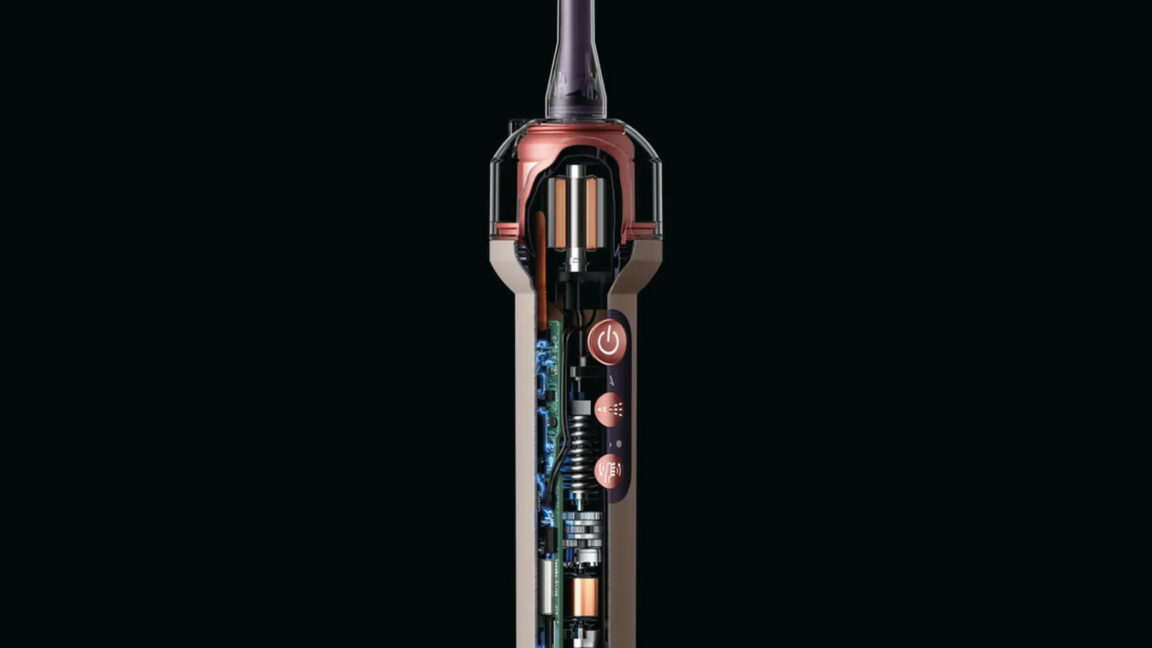
The Dyson CameraJet toothbrush recall has sparked a rapid market pull after early adopters reported water leaking into the battery compartment and devices shutting down within seconds. Within two weeks of its September 8 launch, the premium electric toothbrush vanished from US, UK, Singapore, and French retailers, leaving consumers and regulators searching for answers.
Introduction to the Dyson CameraJet Toothbrush Recall
The CameraJet was marketed as a high-end oral-care device that combines a macro camera, a 12.5 ml rinse reservoir, and an AI-driven "Gap Optical Targeting" system. Dyson touted 38 patents and six years of development, positioning the brush as a leap beyond existing water-floss hybrids such as the Waterpik Sonic-Fusion 2.0. Within 24 hours of the Paris launch event, the product appeared on Dyson’s US storefront and in major electronics chains. By September 9, user complaints surfaced on Reddit and Twitter describing water pooling in the battery compartment and the brush shutting down after a single use. Consumer Reports’ test unit failed in less than a day, and French outlet Numerama reported that Dyson’s own French website had removed the listing by September 11. By September 15, the product was unavailable in all major markets where it had been stocked.
Technical Analysis of the Dyson CameraJet Toothbrush Recall
Two independent experts weighed in on the likely cause. Kyle Wiens, CEO of repair-focused iFixit, suggested a waterproofing tolerance issue or adhesive curing failure, noting that "making products at scale with the tolerances required to waterproof are hard." He explained that a minor deviation in gasket thickness or sealant cure time can allow moisture to breach the enclosure under normal temperature or humidity swings during shipping. Adam Toner, founder of UK design consultancy Ripcord Designs, echoed the water-ingress hypothesis, pointing to videos of users removing the battery and observing moisture in the compartment. He speculated that a faulty O-ring or seal could provide a direct path for rinse fluid to reach the electronics, causing short circuits, battery swelling, or thermal runaway. Both experts emphasized that such failures can pass factory testing if the defect only manifests after exposure to real-world conditions, such as heat cycles in a car trunk or humidity in a bathroom.
Implications of the Dyson CameraJet Toothbrush Recall
The Dyson CameraJet toothbrush recall has significant implications for consumers, retailers, and the tech industry as a whole. Retailers that stocked the CameraJet now face inventory write-offs and potential consumer backlash, especially in markets with strong consumer-protection laws like the EU. If regulators deem the defect a safety hazard, Dyson could be compelled to issue a formal recall under the EU’s Rapid Alert System for non-food products. The episode may also dampen enthusiasm for high-price, feature-rich oral-care devices, slowing adoption of AI-enhanced personal health gadgets. Furthermore, the incident highlights a broader industry tension: the push to embed sophisticated sensors and AI into everyday appliances often outpaces the robustness of traditional mechanical design, creating hidden failure modes that are difficult to predict at scale.
What Consumers Can Do Now
Customers who purchased the CameraJet should contact Dyson support to verify whether their unit falls within the isolated batch. While Dyson has not announced a repair or replacement program, the company’s statement that it is "supporting affected customers" suggests that individual warranty claims may be honored on a case-by-case basis. Consumers should also monitor the product’s status on Dyson’s official website and watch for any formal recall notices from the U.S. Consumer Product Safety Commission or the European Commission’s safety portal. For more on Dyson product recalls, see our coverage at /recalls/dyson.
Looking Ahead: Lessons for Over-Engineered Consumer Tech
The Dyson CameraJet toothbrush recall serves as a cautionary tale: a $500 brush that vanished from shelves not because of lack of demand, but because a single, undisclosed component failed to survive real-world use. Companies that aim to differentiate through feature density must invest equally in rigorous environmental testing, modular design that isolates failure points, and transparent post-sale communication. As the IoT expands into personal health, regulators may tighten disclosure requirements for products that combine electrical and fluid components. The incident also underscores the importance of robust quality control and testing procedures to prevent similar failures in the future.
Related Coverage
- Border Surveillance Tower Deaths Map Reveals Over 4,000 Fatalities Along the US Border
- US Border Virtual Wall Audit Urged After Fatal Surveillance Failures
- Retroid Pocket Duo Lite Plus Expands Handheld Gaming Options
Explore More on This Topic
The Dyson CameraJet toothbrush recall highlights the need for companies to prioritize quality and transparency in their products. Consumers should remain vigilant and monitor the product’s status on Dyson’s official website and watch for any formal recall notices from regulatory agencies. By doing so, they can ensure their safety and protect their investments in high-end consumer electronics.
Dyson Recall Aftermath
In conclusion, the Dyson CameraJet toothbrush recall is a significant incident that highlights the importance of quality and transparency in consumer electronics. The company’s lack of disclosure and unclear communication have raised concerns among consumers and regulators. As the investigation continues, it is essential for Dyson to prioritize transparency and provide clear information about the recall and the affected products. By doing so, the company can regain consumer trust and prevent similar incidents in the future. Technical issues affect the Dyson CameraJet toothbrush despite its high-end status, making quality and transparency crucial for consumer safety and satisfaction.