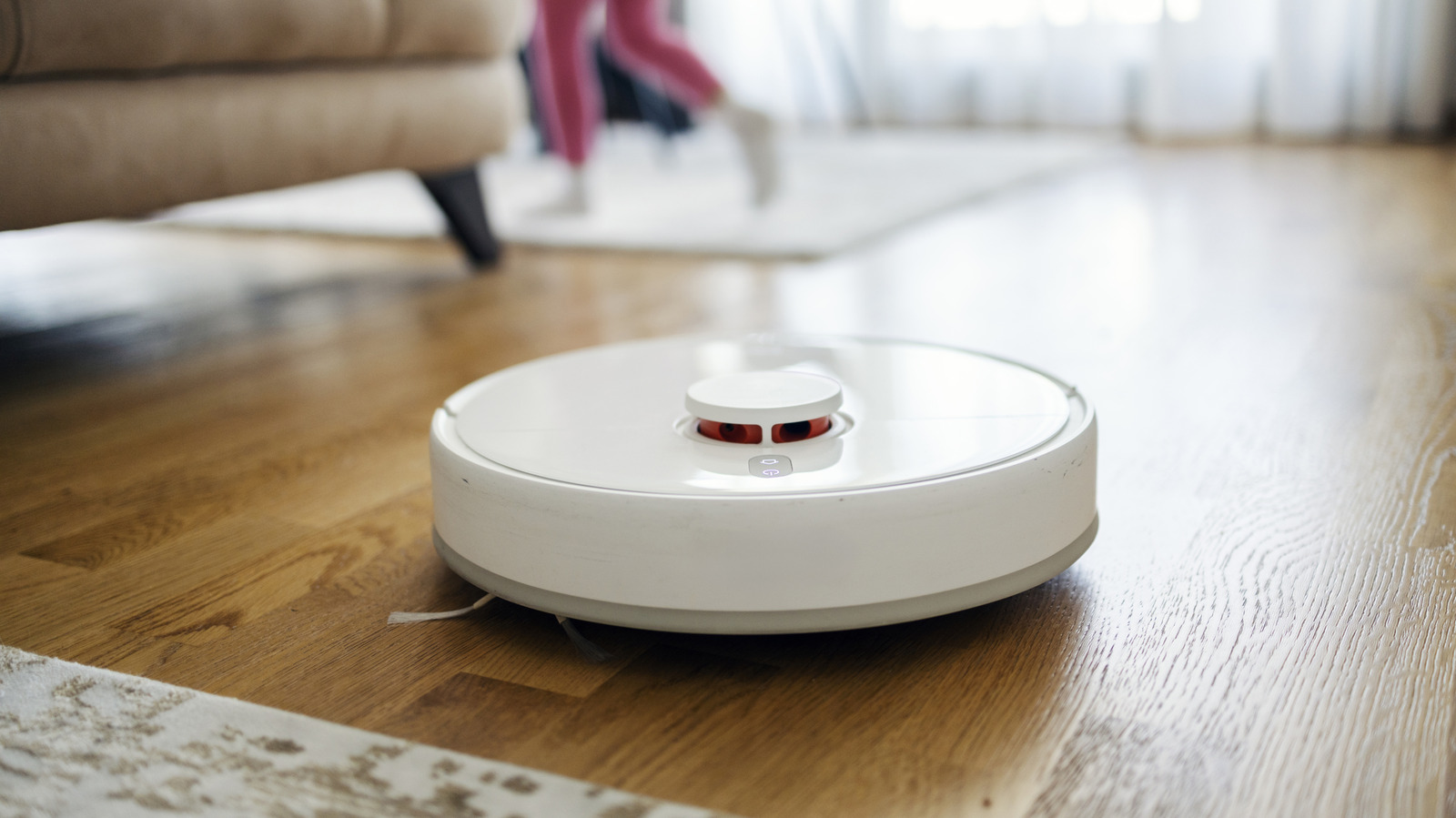
Robot vacuums have become a staple of modern smart homes, yet a recent Engadget report highlights that the technology still imposes significant operational burdens and cost penalties. The article, published on September 19, 2026, documents that consumers must still clear floors, manage maintenance, and accept limited cleaning performance despite premium pricing.
Operational Prerequisites Remain
The core premise of autonomous floor cleaning is that a device can map a space and execute a cleaning cycle without human intervention. In practice, the Engadget analysis shows that the majority of units lack any manipulative capability; they cannot relocate chairs, pick up toys, or reposition charging cables. Even models equipped with infrared or LiDAR sensors must still avoid obstacles by altering their path rather than removing the obstruction. Consequently, users are required to pre-clear the environment, a step that negates part of the promised convenience.
Sensor Hierarchy and Navigation Fidelity
Entry-level robot vacuums rely on simple bump sensors, which physically collide with objects before reversing direction. This method can cause repeated passes over the same area, reducing overall efficiency. Mid-range devices incorporate infrared arrays that detect obstacles at a short range, while flagship models employ LiDAR and AI-driven cameras to construct three-dimensional maps. Despite these advances, the report notes that even top-tier units struggle with thin, flexible items such as power cords or loose socks, which can wrap around brushes or wheels and halt progress. The inability to reliably negotiate such items underscores a fundamental limitation in current perception algorithms.
Surface Compatibility Constraints
Robot vacuums excel on smooth, hard surfaces where suction alone can lift debris. However, the Engadget piece points out that thick carpets and high-pile rugs present a different challenge. Traditional upright vacuums use powered brush rolls that agitate fibers, a mechanism largely absent in most autonomous designs. While some models feature side brushes or extendable bristles, the suction rating alone does not predict cleaning efficacy on carpeted floors. Moreover, transitions between floor types—such as a doorway threshold between tile and carpet—can cause the robot to become stuck, rendering its suction power moot.
Corner and Edge Coverage Gaps
The circular chassis that enables omnidirectional movement also creates blind spots along walls and in tight corners. Side brushes mitigate this issue to a degree, but the report confirms that most current-generation robots leave a measurable amount of dust along baseboards and in recessed corners. Users seeking a truly comprehensive clean must therefore supplement the robot’s work with a conventional vacuum for periodic deep cleaning.
Financial Implications of Feature-Rich Models
Pricing data from the source illustrates a steep cost curve tied to functional upgrades. Basic units under $100 provide minimal suction and lack advanced navigation, making them suitable only for occasional light cleaning. Mid-range models, exemplified by the iRobot Roomba 105 Combo at roughly $300, add self-emptying docks and wet-mopping capability. At the high end, the Dreame X60 Max Ultra Complete commands a price near $1,700, bundling automatic mop washing, hot-water cleaning, and retractable sensors for low-profile navigation. Even with such investment, the article stresses that owners will still need to perform manual vacuuming and mop maintenance, effectively doubling the total cost of floor care.
Maintenance Overhead Persists
All robot vacuums require periodic emptying of dustbins, brush cleaning, and filter replacement. Some premium models automate dustbin emptying via a dock, yet the dock itself must be emptied and the filters swapped on a regular schedule. The Engadget analysis emphasizes that neglecting these tasks can degrade performance, cause odor buildup, and increase wear on motor components. Therefore, the promised “set-and-forget” experience remains aspirational rather than fully realized.
Market and User Impact
The identified downsides have direct implications for both consumers and manufacturers. For households with pets, children, or dense furniture layouts, the need for pre-cleaning and post-run checks may outweigh the convenience factor, limiting adoption to niche segments that prioritize novelty over practicality. Manufacturers, meanwhile, face pressure to justify premium pricing through demonstrable performance gains. The current gap between sensor sophistication and real-world obstacle handling suggests a research focus on more robust perception pipelines, possibly leveraging multimodal sensor fusion and reinforcement-learning-based navigation.
Regulatory and Safety Considerations
While the article does not cite specific regulations, the presence of moving parts and electrical components in domestic environments raises safety concerns. Entanglement of cords or ingestion of small objects by the vacuum’s brushes could pose fire or choking hazards. Future standards may require built-in cable-avoidance algorithms or mandatory safety certifications for consumer robotics, influencing product design cycles.
Outlook and Watch-Points
The next wave of robot vacuums is likely to address the highlighted shortcomings through several avenues:
- Enhanced Perception – Integration of depth cameras and transformer-based vision models could improve detection of thin obstacles and dynamic objects.
- Adaptive Locomotion – Development of articulated wheels or micro-leg mechanisms may enable traversal over uneven thresholds and low-profile rugs.
- Hybrid Cleaning Modules – Combining high-suction brush rolls with autonomous navigation could bridge the performance gap on carpets.
- Standardized Maintenance Interfaces – Modular dustbins and self-cleaning brush systems could reduce user upkeep.
Stakeholders should monitor announcements from leading OEMs such as Roborock, iRobot, and Dreame, as well as emerging startups that claim to have prototype stair-climbing robots. The convergence of AI-driven navigation and mechanical innovation will determine whether robot vacuums evolve from supplemental tools to primary cleaning solutions.
For a deeper dive into smart-home integration, see the recent coverage of Home Assistant on Raspberry Pi enabling NFC media tags.
Related coverage
- Home Assistant on Raspberry Pi Enables NFC Media Tags, Smart Charging, Power-Monitoring Appliances, and Location-Based Shopping Lists
- Microsoft Defender and Malwarebytes Lead PC Malware Checks in 2026
- Apple AirPods 5 Review: Enhanced Audio and Controversial Pricing Strategy