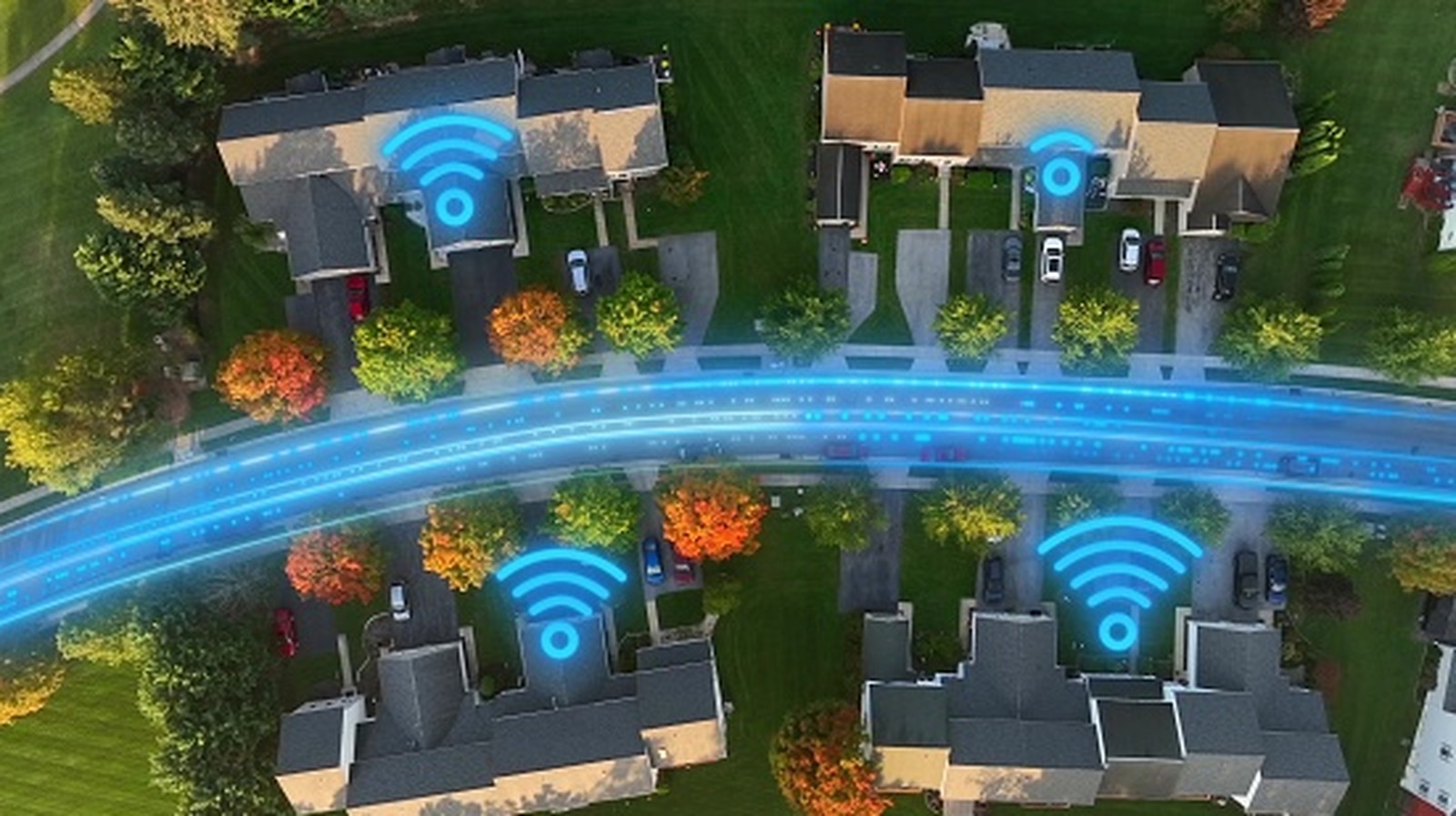
New 5G Home Internet Plans Challenge Traditional Broadband
T-Mobile and AT&T announced upgraded 5G home internet offerings on Sept. 20, 2026, delivering typical download speeds of 170-354 Mbps and 90-300 Mbps respectively, while Verizon’s premium 5G Home Ultimate can reach up to 1 Gbps in select markets. For households deciding between wired and wireless options, the core question is clear: can 5G provide the speed, reliability, and ease of installation that fiber and cable have long promised? The answer is increasingly “yes,” but with important caveats that depend on location, usage patterns, and future network upgrades.
How Fixed Wireless Works Compared to Wired Connections
Fixed wireless does not replace Wi-Fi inside the house; it replaces the last-mile physical line. A cellular gateway inside the home connects to the provider’s 4G LTE or 5G network, then shares the connection via Wi-Fi or Ethernet. Wired broadband—fiber, coaxial cable, or DSL—delivers the signal over a physical conduit to a modem or optical network terminal before it reaches the router. From a user’s perspective both architectures converge on a router that directs traffic, but the source of the inbound signal remains distinct. For a deeper dive, see our fixed wireless vs fiber guide.
Speed and Performance Realities
OpenSignal’s April 2026 analysis shows fiber and cable users averaging higher download speeds than fixed-wireless subscribers, yet the “Consistent Quality” metric (which blends latency, jitter, and packet loss) shows a smaller differential. This suggests that while raw throughput may lag, everyday browsing and streaming can feel comparable. Fixed-wireless latency typically sits between 20-40 ms on strong 5G signals, versus 5-15 ms on fiber—enough to affect competitive gaming or low-latency cloud services. The gap narrows further in dense urban cores where 5G cells are plentiful.
Installation and Contract Flexibility
A key advantage of 5G home internet is self-installation. Consumers can place the gateway where signal strength is optimal, avoiding the weeks-long wait for a technician to run new fiber or coax. T-Mobile’s Rely plan also bundles unlimited data, no annual contract, and no early-termination fee, contrasting with many wired plans that lock users into multi-year agreements. However, these benefits hinge on signal quality; homes in dense urban cores often see stronger 5G coverage than rural properties.
Reliability Concerns and Network Congestion
Fixed-wireless performance is tied to cellular network load and environmental factors. Heavy rain, foliage, or building materials can attenuate the signal, leading to variable speeds. Wired networks are immune to radio interference but still face congestion during peak hours, especially on shared cable DOCSIS 3.1 segments. Providers mitigate this with traffic shaping and tiered service levels, yet outages remain a shared risk across both mediums. The FCC’s ongoing broadband reporting rule (Fcc) may soon require more granular performance disclosures, helping consumers compare reliability more transparently.
Future-Proofing: Speed Ceilings and Emerging Standards
Verizon’s rollout of a 5 Gbps FiOS tier illustrates the ceiling that wired fiber can achieve—far beyond current 5G limits. Meanwhile, the industry is testing 6 GHz unlicensed spectrum for fixed wireless, which could push speeds past 2 Gbps in ideal conditions. Until those standards mature, consumers must weigh whether they need multi-gigabit capacity now or can accept the current 5G ceiling.
Who Benefits Most?
- Urban renters: Quick self-install and flexible contracts make 5G attractive where fiber rollout is slow.
- Gaming households: Fiber’s lower latency remains preferable for competitive titles.
- Small businesses: Fixed wireless can provide a cost-effective backup line, reducing downtime risk.
- Rural homeowners: Where laying new fiber is cost-prohibitive, 5G offers a viable primary connection if signal strength is sufficient.
What to Watch Next
Regulators are reviewing spectrum allocations for fixed wireless, potentially opening more mid-band and high-band frequencies that could improve reliability. Additionally, the FCC’s upcoming broadband speed reporting rule may force providers to disclose more granular performance data, giving consumers clearer comparison points. Keep an eye on the deployment of 6 GHz unlicensed bands and the next generation of 5G NR (New Radio) releases, which promise lower latency and higher throughput.
Quick Reference Table
How wired and fixed-wireless broadband compare?
| Feature | Wired (Fiber/Cable) | Fixed-Wireless 5G |
|---|---|---|
| Typical download speed | 300 Mbps-5 Gbps | 90-1 000 Mbps |
| Latency | 5-15 ms | 20-40 ms |
| Installation time | 2-6 weeks (tech visit) | Same-day self-install |
| Contract flexibility | Often 1-2 yr term | No contract, unlimited data options |
| Signal dependency | Physical line only | Cellular signal strength |
Bottom Line
Fixed-wireless 5G home internet has matured into a viable alternative to traditional wired broadband, especially for users prioritizing rapid deployment and contract freedom. Yet, fiber’s superior latency and higher speed ceiling keep it the preferred choice for latency-sensitive applications and future-proofing. As spectrum policy evolves and 6 GHz unlicensed bands become operational, the performance gap may narrow further, reshaping the home broadband landscape.
Source: Engadget.
Related coverage
- Google TV and Apple Remote Features Turn Phones Into Universal TV Remotes
- Smart TVs Benefit from Standby Mode with Faster Boot and Panel Care
- Guide to Samsung side button customization on Galaxy phones