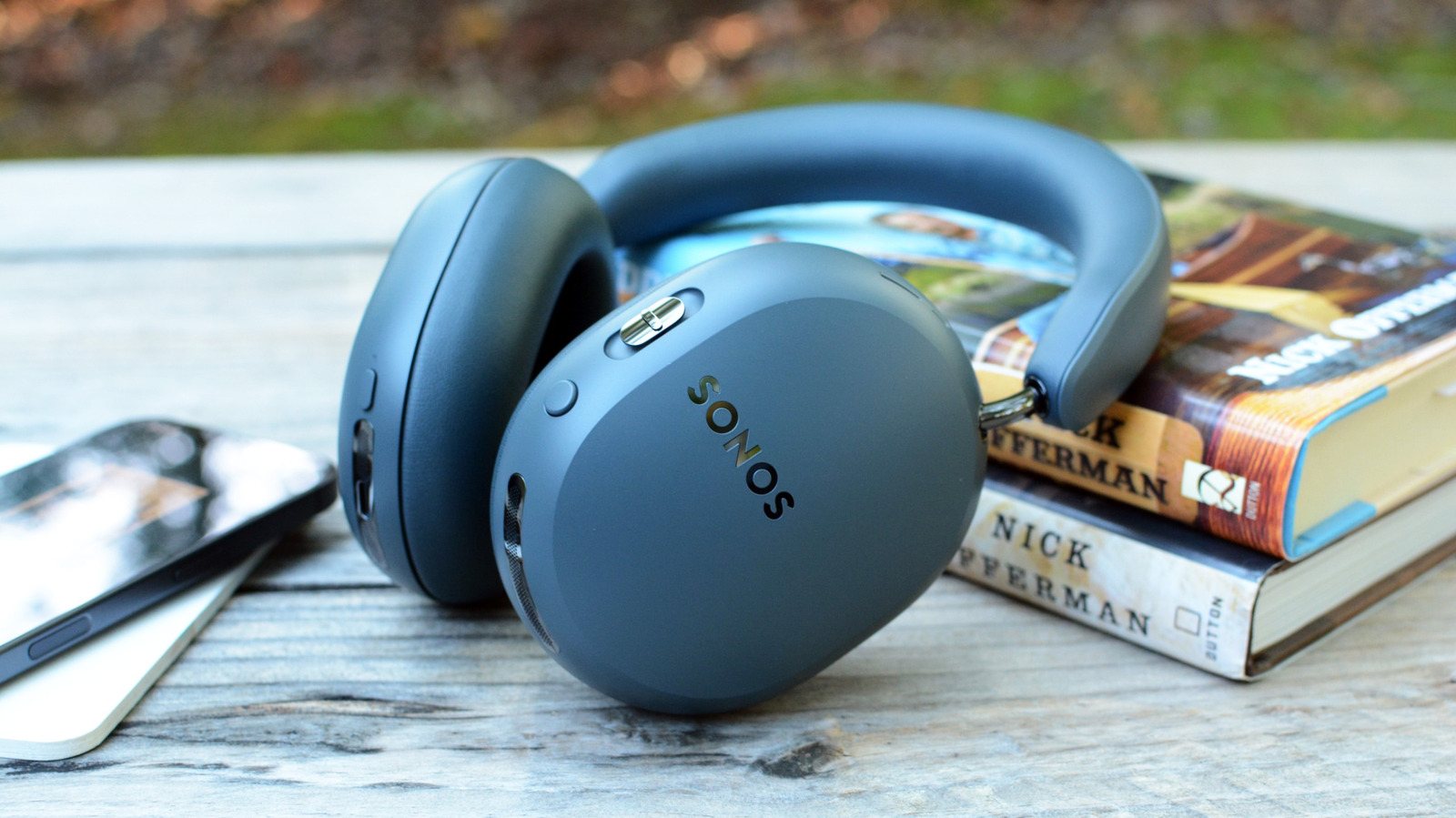
Sonos released the Ace Ultra headphones on September 22, 2026, pricing them at $449 and positioning them as the first truly network-enabled headphones in the Sonos lineup. The device adds Wi-Fi "headphone linking" to the existing TV Audio Swap feature, allowing users to push any audio playing on a Sonos speaker directly to the headphones and pull it back with a single press. While the technical implementation works, the requirement that all source content be launched from the Sonos app reveals a deeper problem: the industry’s obsession with a single-app ecosystem is increasingly at odds with user expectations for flexibility.
Technical upgrades that matter
The Ace Ultra retains the 40 mm drivers of its predecessor but runs on Sonos’ new Headphone Engine 2, part of the broader Sonos 27 platform overhaul. The hardware includes ten microphones for Adaptive ANC, which dynamically adjusts noise cancellation based on ambient sound. Battery life jumps to 35 hours—a five-hour gain over the original Ace—and the battery is user-replaceable for $25. These specs are solid; during a 19-hour test with ANC active, the unit retained 45 % charge, confirming the manufacturer’s claims.
The app-centric constraint
Despite the Wi-Fi linking capability, the Ace Ultra cannot pull audio from third-party services that use AirPlay, Chromecast, or Bluetooth directly. Users must start playback inside the Sonos app, then select the headphones as a target device. This design choice forces a workflow that feels retrograde compared to competing wireless headphones that accept any Bluetooth source without a proprietary bridge. The limitation is not a technical shortfall—Sonos’ Wi-Fi stack is robust—but a strategic one: the company wants to keep users inside its software ecosystem.
Why the ‘all-in-one app’ assumption is risky
The prevailing belief among many hardware makers is that a tightly controlled app ecosystem drives brand loyalty and data collection. Sonos’ 2024 app crisis, which saw users lose access to their libraries after a server outage, proved that over-centralization can backfire. By making the Ace Ultra’s premium features (e.g., TrueCinema room-tuning, Adaptive EQ) dependent on the same app, Sonos repeats a pattern that could erode trust if another outage occurs.
From a developer-tool perspective, this approach also stifles third-party innovation. Open-source audio frameworks such as the Linux ALSA stack or Android’s AudioFX can’t interface with Sonos’ proprietary linking protocol, limiting the community’s ability to build custom integrations. The result is a closed loop that benefits Sonos’ data pipelines but restricts user choice.
Market impact and competitive landscape
The Ace Ultra’s $449 price point matches the original Ace’s launch price, positioning it against premium wireless headphones from Sony, Bose, and Apple. Those competitors offer seamless Bluetooth pairing with any device, multi-device switching, and robust app-free controls. Sonos’ differentiator—network-wide audio routing—appeals to existing Sonos owners but may not sway new customers who prioritize cross-platform freedom.
If Sonos continues to double-down on app dependency, it risks ceding the high-end headphone market to brands that embrace open standards. Conversely, the company could leverage its multi-room expertise to create a truly open linking protocol, inviting third-party hardware to join the Sonos mesh. Such a move would align with the broader industry shift toward interoperable smart-home ecosystems, as seen in the recent adoption of Matter for lighting and security devices.
User risk and operational considerations
Current owners of Sonos speakers must evaluate whether the Ace Ultra’s benefits outweigh the added complexity. The requirement to keep the Sonos app running in the background consumes additional battery on the host device and introduces a single point of failure. Moreover, the user-replaceable battery kit, while a welcome serviceability feature, adds a logistical step for consumers who expect long-lasting sealed units.
From an operational standpoint, enterprises deploying Sonos hardware in conference rooms should note that the Ace Ultra cannot act as a standalone Bluetooth headset for video calls unless the call is routed through the Sonos app. This limitation could necessitate parallel procurement of traditional conference-room headsets, increasing total cost of ownership.
What to watch next
The next software update will be critical. If Sonos expands the linking feature to accept external streams (e.g., AirPlay, Spotify Connect) without routing through its app, the Ace Ultra could become a genuine hub for any audio source. Monitoring the company’s release notes and community feedback will indicate whether Sonos is willing to loosen its grip on the user experience.
In the meantime, potential buyers should weigh the Ace Ultra’s superior sound and ANC against the ecosystem lock-in. For existing Sonos users, the headphones represent a logical extension of a familiar system. For newcomers, the requirement to adopt a new app may be a deal-breaker, especially when comparable alternatives offer broader compatibility out of the box.
This analysis draws on the detailed review published by Billy Steele on Engadget Engadget. For a broader look at how closed ecosystems affect hardware adoption, see the recent discussion on the GitLab Duo self-hosted AI expansion /posts/gitlab-duo-self-hosted-ai-expands-with-microsoft-foundry-260923.
Related coverage
- Google launches Googlebooks laptops that sync tightly with Android phones
- Apple Mac Studio M5 Ultra price: Premium Power Meets Premium Cost
- GitLab Duo self-hosted AI expands with Microsoft Foundry