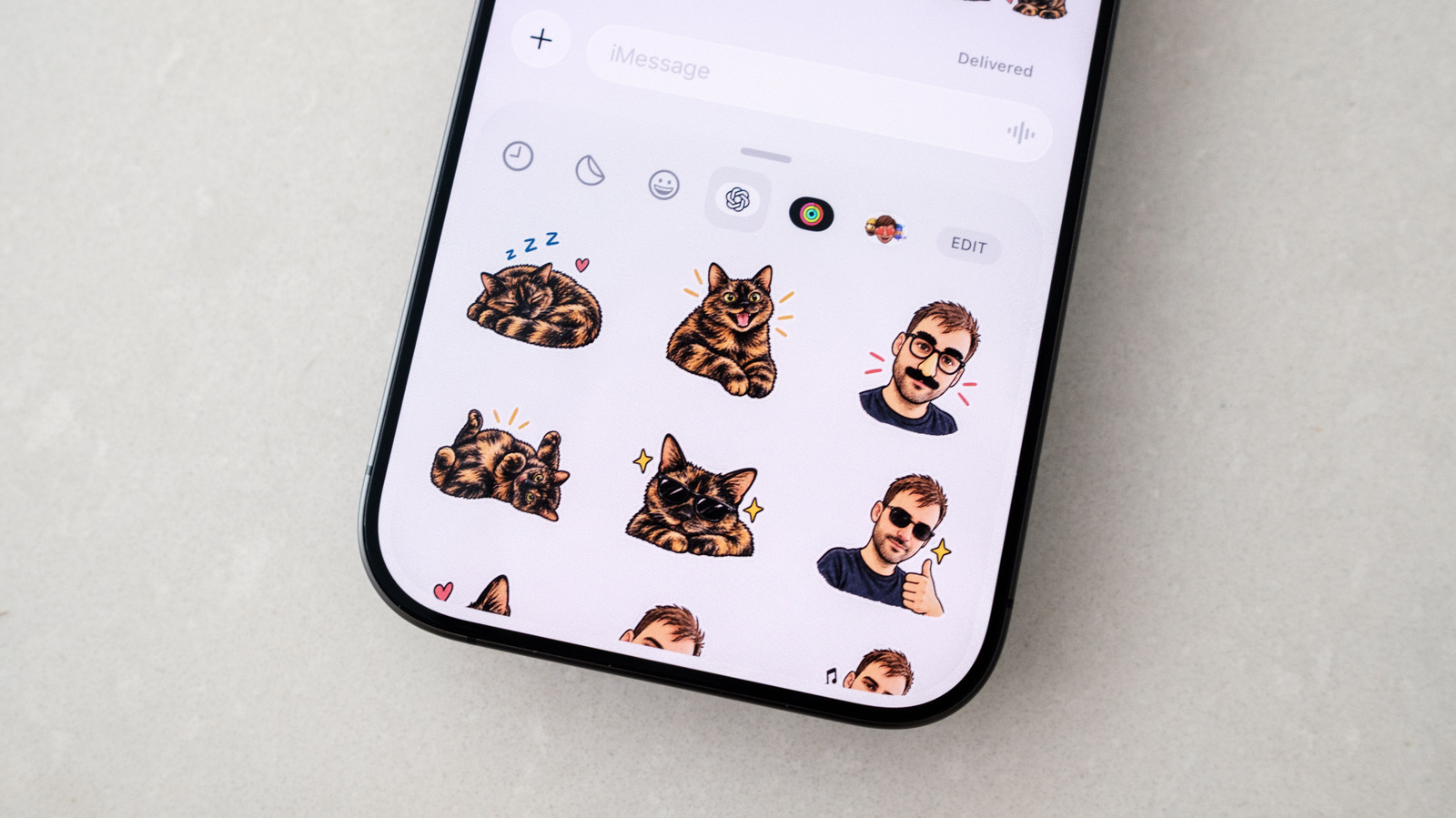
OpenAI rolled out a sticker-specific workflow inside the ChatGPT mobile app on September 20, 2026, allowing users to turn photos or prompts into ready-to-send iMessage and WhatsApp stickers. The feature, announced by Engadget, streamlines the creation pipeline that previously required third-party apps or manual image editing.
1. Technical Overview of the Sticker Pipeline
- Entry point: Users open the sidebar (menu icon) in the ChatGPT iOS/Android app and select Images → Stickers under the Trending tab.
- Input modalities: A style selector, reference image upload, and optional emoji set guide the model. The emoji list acts as a lightweight conditioning token, nudging the diffusion model toward expressive facial cues.
- Model stack: OpenAI leverages its latest multimodal diffusion model (based on the 2024-06 release of GPT-4o-Vision) fine-tuned on a curated sticker dataset of ~150k PNGs with transparent backgrounds. The model outputs nine 512×512 PNGs with alpha channels, optimized for low-latency mobile inference.
- Post-generation editing: Each sticker can be tapped, invoking an Edit UI that re-runs the diffusion model with a textual prompt. The system uses a low-temperature sampling (≈0.7) to preserve the original composition while applying the requested change.
- Export flow: A single tap on Add to chat apps pushes the PNG pack to the native iMessage sticker picker (iOS only) or creates a WhatsApp sticker pack, prompting the user to name the pack before registration.
2. Performance and Resource Implications
- Latency: On an Apple A16 Bionic device, the end-to-end generation (including model loading) averages 3.2 seconds per nine-sticker batch. Android devices with Snapdragon 8 Gen 2 report similar timings, indicating efficient on-device acceleration via Metal/GL ES shaders.
- Compute budget: The workflow consumes roughly 0.12 GPU-seconds per sticker, translating to a modest battery impact (<1 % per batch) but counting against OpenAI's API quota for free-tier users.
- Usage caps: Engadget notes that each sticker request deducts from the daily and weekly token limits. Free accounts receive 25 sticker generations per week, while ChatGPT Plus subscribers enjoy a 5× increase.
3. Comparative Landscape
| Platform | Native Sticker Support | Third-Party Requirement | Cost |
|---|---|---|---|
| iMessage (Apple) | Photo-to-sticker via Messages app (limited effects) | None | Free |
| Sticker creation via Sticker Maker app (manual cropping) | Yes | Free (app) | |
| ChatGPT | AI-generated PNGs with style control, batch export | None | Free tier limited; Plus tier higher quota |
The ChatGPT workflow collapses the manual steps required by the other two platforms, offering AI-driven style transfer and rapid iteration.
4. Developer Ecosystem Impact
- API exposure: OpenAI has not yet published a public endpoint for the sticker model, but the mobile integration suggests an internal API that could be exposed in future SDKs. Developers building messaging extensions may soon tap into a sticker-as-a-service offering.
- Platform lock-in: iMessage export remains iOS-only, reinforcing Apple's ecosystem advantage. Conversely, the WhatsApp path is platform-agnostic, potentially driving cross-platform adoption of AI-generated stickers.
- Monetization signals: The quota limits hint at a future revenue stream where heavy sticker creators (e.g., brands, influencers) purchase dedicated capacity.
5. User Experience and Risks
- Ease of use: The UI requires only three taps to generate a pack, aligning with consumer expectations for instant content creation.
- Content moderation: OpenAI applies its standard image moderation pipeline, blocking explicit or copyrighted material. However, the system may still produce borderline content that evades filters, raising potential policy concerns for WhatsApp's distribution.
- Data privacy: Uploaded reference images are processed on-device when possible, but fallback to cloud inference occurs for complex prompts. Users on free tiers should be aware that images may be retained for model improvement unless they opt out.
6. Market and Regulatory Context
- Messaging app competition: By lowering the barrier to custom sticker creation, OpenAI indirectly strengthens WhatsApp's stickiness, a strategic move given Meta's recent focus on richer expressive tools.
- Regulatory scrutiny: The EU's AI Act classifies generative image models as high-risk when used for public communication. OpenAI's moderation and usage-limit mechanisms may be early compliance steps, but future audits could demand more granular user consent logs.
7. What to Watch Next
- API rollout: If OpenAI releases a sticker generation endpoint, third-party developers could embed AI stickers directly into games, forums, or e-commerce platforms.
- Cross-app integration: Expect tighter coupling with iOS Messages extensions and possibly a Sticker Store within the ChatGPT app, where users can browse community-generated packs.
- Policy evolution: Monitoring how OpenAI adapts its moderation pipeline in response to EU and US regulatory guidance will be crucial for enterprises planning large-scale sticker campaigns.
The sticker workflow exemplifies how generative AI is moving from novelty to utility, embedding itself in everyday communication channels. By automating a previously manual design step, ChatGPT reduces friction for both casual users and content creators, while also surfacing new questions about moderation, data handling, and platform economics.
Related coverage
- Google TV and Apple Remote Features Turn Phones Into Universal TV Remotes
- Free Smart-TV Streaming Options Mapped: 7 Services You Can Activate Today
- T-Mobile and AT&T Expand 5G Home Internet, Challenging Wired Broadband