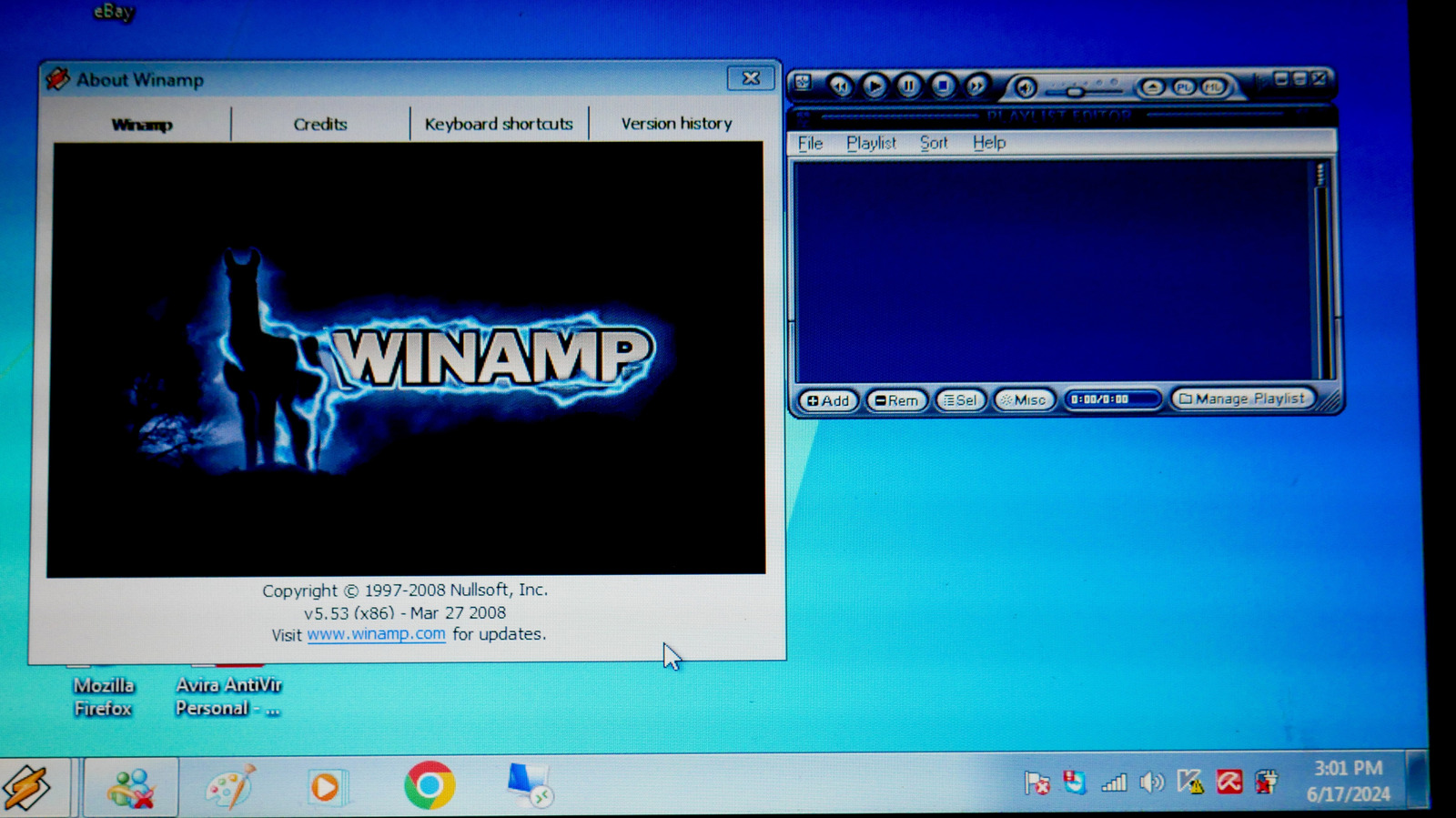
Winamp announced on Sept. 20, 2026 that it will relaunch in 2027 with a premium subscription powered by Deezer, marking the first time the iconic MP3 player will offer a built-in streaming service. This Winamp streaming partnership is positioned as a bridge between nostalgic desktop software and modern music consumption.
Context and Technical Architecture of the Winamp Streaming Partnership
Winamp’s original software, released in 1997, became synonymous with early digital music through its customizable skins and lightweight footprint. Over the past decade the product has survived as a niche player, maintaining roughly 40 million active installations worldwide according to the company’s own metrics. The 2027 revival will not replace that legacy client; instead it will sit alongside it, adding a subscription layer that aggregates local files, internet radio, podcasts, and cloud-stored libraries.
Deezer will supply the streaming backend, including licensing agreements, content delivery network (CDN) routing, and recommendation algorithms. By using a white-label model, Deezer avoids the branding and UI work that would otherwise be required, while Winamp retains full control over the user experience, branding, and subscriber relationship. This mirrors Deezer’s recent “Deezer for Business” strategy, which seeks to grow revenue from third-party integrations after a 7.6% decline in partnership-derived revenue to €70.7 million in H1 2026. For more details on Deezer’s white-label offering see the official Deezer website.
Market Impact and Competitive Positioning of the Winamp Streaming Partnership
The move re-enters Winamp into a market now dominated by Spotify, Apple Music, and Amazon Music, all of which have entrenched ecosystems and multi-year subscriber bases. However, Winamp’s unique value proposition lies in its hybrid model: users can stream while still accessing their personal MP3 collections without needing to upload or convert files. This could appeal to power users who maintain large local libraries and to regions where bandwidth costs remain high.
Deezer’s partnership pipeline includes recent deals with telecom operator Telenor and French utility EDF, indicating a broader push to embed streaming into non-media services. The Winamp deal provides a recognizable consumer-facing brand that may accelerate Deezer’s white-label adoption, potentially offsetting the 800,000-subscriber drop it reported year-over-year. If the subscription conversion rate among Winamp’s existing user base reaches even 2%, Deezer could add roughly 800,000 new paying customers, partially recouping the lost revenue.
Risks and Operational Challenges for the Winamp Streaming Partnership
Several risk vectors emerge from the arrangement. First, Winamp lacks any music licensing; reliance on Deezer means any disruption in Deezer’s catalog rights could directly affect Winamp’s service continuity. Second, the integration of Deezer’s SDK into Winamp’s legacy codebase may introduce performance bottlenecks, especially on older Windows installations that still dominate the user base. Third, pricing and platform support remain undisclosed; an overly aggressive price point could alienate the price-sensitive segment that still uses the free desktop client. Finally, regulatory scrutiny around music royalties in the EU could affect the cost structure of the white-label deal, given Deezer’s recent exposure to a 7.6% revenue dip tied to partnership terminations.
What to Watch Next for the Winamp Streaming Partnership
The next milestone will be a series of developer previews slated for Q4 2026, where Winamp will expose new API endpoints for third-party plugins and social features. Observers should watch for announcements on supported operating systems—initial speculation suggests Windows 10/11 and macOS Monterey onward, with a possible mobile companion app for Android, given Deezer’s existing SDK footprint.
From a strategic perspective, the Winamp streaming partnership may signal a broader industry trend: legacy media applications leveraging modern streaming infrastructure to stay relevant without rebuilding from scratch. If Winamp’s hybrid model gains traction, other nostalgic brands (e.g., iTunes Classic, RealPlayer) could pursue similar white-label arrangements. Conversely, a failure to deliver a seamless experience could reinforce the dominance of native streaming platforms and discourage further legacy-to-streaming collaborations.
Broader Ecosystem Implications of the Winamp Streaming Partnership
Developers in the music-tech space should note that Deezer’s white-label offering now includes a high-profile consumer brand, potentially raising the bar for integration quality and SLA expectations. The deal also underscores the importance of modular streaming stacks that can be embedded into existing applications without extensive re-engineering. For content owners, the arrangement highlights an alternative distribution channel that bypasses traditional platform fees, though it also raises questions about royalty tracking across hybrid playback models.
In summary, the Winamp streaming partnership slated for 2027 blends nostalgia with contemporary consumption habits. Success will hinge on technical integration, pricing strategy, and the ability to convert a fraction of Winamp’s sizable legacy user base into paying subscribers. Stakeholders across the music-streaming value chain should monitor upcoming developer previews and pricing disclosures for early signals of market reception.
For more information on the music streaming market, visit the Engadget website.
Related Coverage
- Smart TVs Aren’t Enough: Why Streaming Devices Remain Essential in 2026
- Android Gaming Phone Specs: What to Look for in a Premium Device
- Robot Vacuums Reveal Hidden Costs and Operational Limits
- Home Assistant on Raspberry Pi Enables NFC Media Tags, Smart Charging, Power-Monitoring Appliances, and Location-Based Shopping Lists