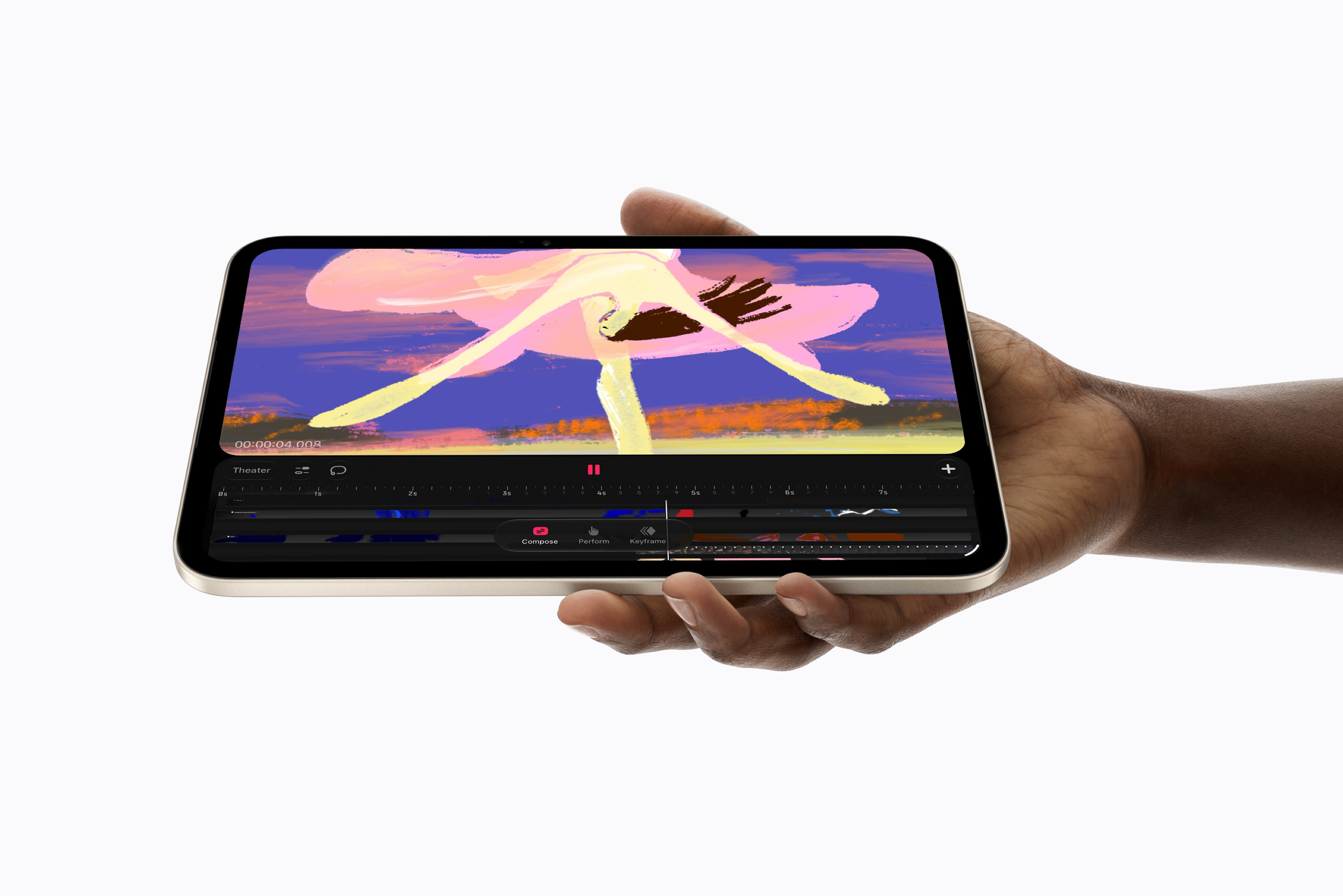
iPad Mini 8th generation OLED launch
Apple announced the 8th-generation iPad Mini on Oct 26 2026. The tablet replaces the LED panel that has been standard on all prior Mini models with a true OLED display, matching the technology used on the iPhone line. The new screen measures 8.5 inches, up from 8.3 inches on the 2024 version, and is paired with a Super Retina XDR panel that delivers higher brightness and contrast.
Core Hardware Upgrades
The A20 chip powers the new Mini. Apple claims the processor delivers up to 30 % faster CPU performance and 50 % faster GPU performance compared to the A19 in the 2024 model. The device also ships with Wi-Fi 7, the latest Wi-Fi standard that offers theoretical speeds of 30 Gbps and lower latency, which could benefit real-time collaboration apps.
Optional Nano-Texture Glass
Apple offers a nano-texture display glass option for the 256 GB and 512 GB variants at an additional $100. The glass reduces glare and reflections under bright lighting but slightly softens color vibrancy and sharpness. Apple supplies a special cleaning cloth with the upgrade. Developers who target outdoor or high-ambient-light environments may find the option useful.
Pricing and Availability
The 8th-generation Mini starts at $799 for 256 GB, $999 for 512 GB, and $699 for the base 128 GB model. Pre-orders open Oct 27, and the device will hit retail stores on Nov 6. The price jump reflects Apple’s recent cost-inflation strategy, which cited higher memory and storage chip prices.
Developer-Focused Impact
The OLED panel opens new possibilities for media-heavy applications. Developers can leverage deeper blacks and higher contrast ratios to create more immersive video and gaming experiences. The inclusion of Wi-Fi 7 also means that apps requiring high-bandwidth, low-latency connections—such as AR/VR, live streaming, or remote desktop tools—can perform more smoothly.
However, the price increase may limit adoption among developers who rely on the Mini as a cost-effective testing platform. The optional nano-texture glass adds another decision point: teams that need glare reduction may accept the extra cost, while others may stick with the standard glass to preserve color fidelity.
Benchmarking Wi-Fi 7
For developers interested in testing Wi-Fi 7 performance, the new Mini’s hardware can be benchmarked against the iPad Pro 2025, which also supports the standard Wi-Fi 7 but lacks OLED. The comparison will help determine whether the OLED advantage outweighs the cost premium.
What to Watch Next
Apple’s next move will likely involve software optimizations that take advantage of the new hardware. Developers should monitor updates to the iPadOS 18 beta, particularly changes to the graphics API and network stack that could expose new performance ceilings. Additionally, third-party app stores may start offering “Mini-optimized” bundles that bundle the nano-texture glass upgrade with specific UI kits.
Funding and Launch Coverage
Apple’s launch event drew a 15 % increase in pre-orders compared to the 2024 Mini, indicating that the OLED upgrade resonated with early adopters. Investors noted that the higher price point could squeeze margins, but the company’s recent revenue growth suggests that the market is willing to pay for premium features.
Related Reading
- Apple HomeView Launches a New Smart Panel, but Renters Face Mixed Value
- Google and Meta Release TorchTPU: Native PyTorch on TPUs
Related coverage
- Old Chromebook Repurpose: Keep Your Device Alive After a Googlebook Upgrade
- r/opensource AI ban sparks rift over non-English posts
- iPhone Duo Hinge Design Revealed in iFixit Teardown