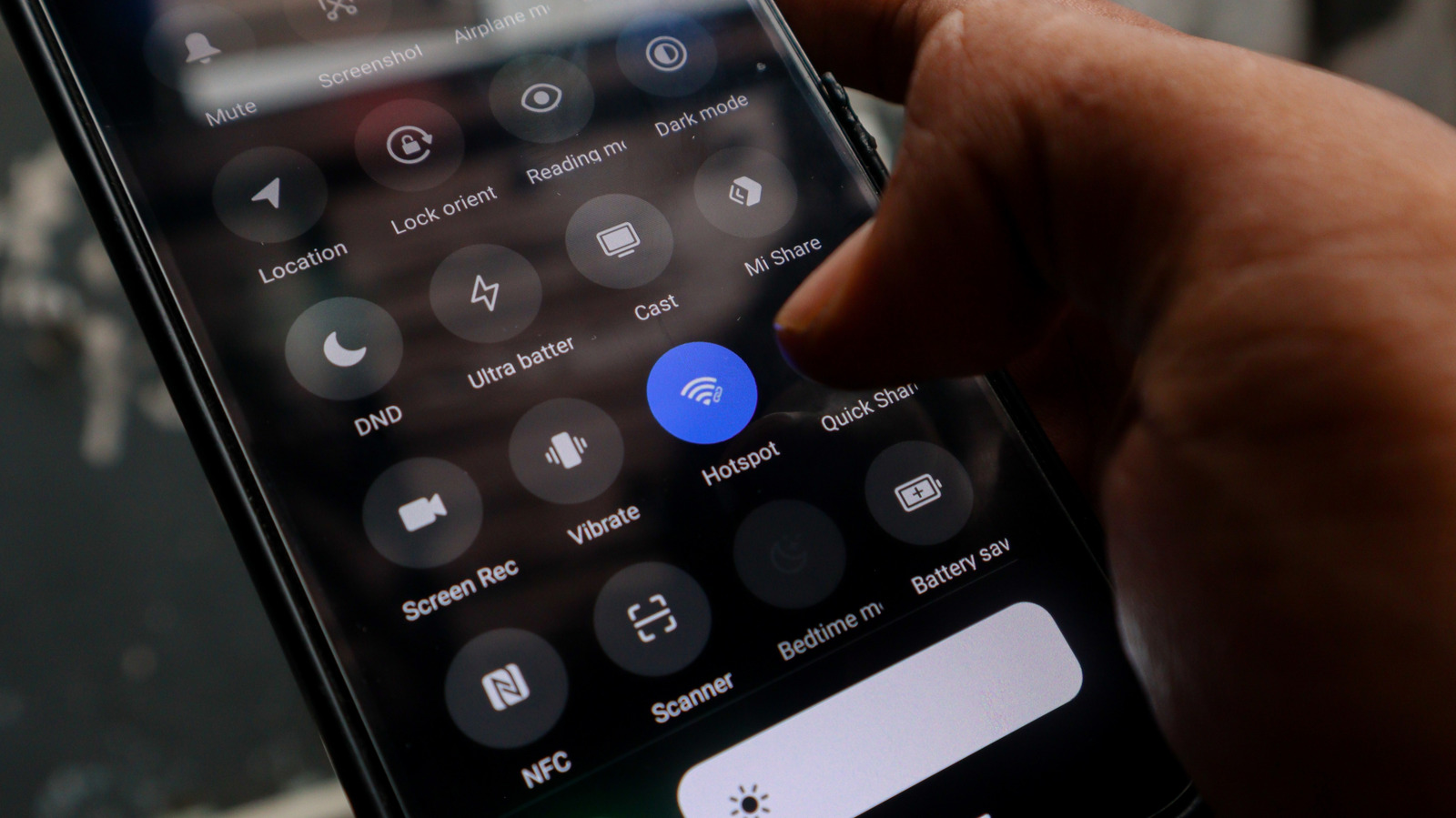
The newest practical hack for home networking isn’t a $70 mesh node—it’s the Android phone you tossed in a drawer last year. By enabling the native hotspot, the handset can receive your router’s Wi-Fi and broadcast a secondary SSID, effectively extending coverage without any additional hardware. This Android phone Wi-Fi extender approach challenges the industry narrative that only dedicated extenders or mesh systems can reliably fill dead zones.
Setting Up Your Android Phone Wi-Fi Extender
Android 10 and later include a Wi-Fi hotspot that can be configured to share an existing Wi-Fi connection. Open Settings > Network & Internet > Internet, connect to your home network, then toggle Hotspot & Tethering > Wi-Fi hotspot. The phone becomes a simple repeater. It captures packets on the 2.4 GHz or 5 GHz band and re-emits them under a new SSID you name. Because the phone uses its own Wi-Fi radio for both input and output, throughput is roughly halved—typical real-world speeds drop 30-45 % compared to the source router, a figure confirmed by multiple user tests on forums and by The Verge in its 2023 networking roundup.
Cost Comparison and Environmental Impact
A mid-range commercial extender averages $45-$70, while a three-node mesh kit can exceed $200. The Android solution costs nothing beyond the electricity to keep the phone plugged in. According to the EPA, extending device lifespans by repurposing electronics reduces e-waste by an estimated 15 % per device. For households with at least one legacy handset, the financial and ecological payoff is immediate.
Performance Trade-offs You Must Accept
The free method is not a silver bullet. First, the repeater creates a separate network; devices won’t roam seamlessly between the router and phone SSID. Smart-home hubs that rely on a single broadcast domain may lose connectivity, a limitation highlighted in a recent PCMag review of budget networking gear. Second, battery life is a practical concern. Even when plugged in, the phone’s thermal management can throttle the Wi-Fi chip, especially on older models with 1 GB RAM and dual-core CPUs. Expect a continuous hotspot to draw 500-800 mA, enough to keep a 3000 mAh battery at 30 % after a few hours if not powered.
Optimal Placement and Configuration
To maximize range, position the handset roughly halfway between the router and the dead zone, ideally at a height of 1-1.2 m to avoid floor attenuation. If the device supports 5 GHz, enable it for higher throughput—but remember that 5 GHz penetrates walls less effectively than 2.4 GHz. Use a strong WPA3 password; the hotspot inherits the router’s encryption, but a separate SSID means you must manage two credential sets.
When a Dedicated Extender Still Makes Sense
If you need seamless roaming, band steering, or integration with Alexa/Google Home ecosystems, a purpose-built extender remains superior. Mesh systems also support self-optimizing backhaul, automatically selecting the best channel to avoid interference—a feature the Android phone lacks. For high-density environments (e.g., home offices with multiple 4K streams), the throughput penalty of a repeater becomes noticeable.
The Broader Market Implication
Manufacturers have long marketed extenders as essential upgrades for any router older than three years. This DIY narrative undercuts that sales pitch, suggesting that a sizable segment of consumers may postpone or cancel hardware purchases. If adoption spreads, we could see a modest dip in entry-level extender shipments, prompting vendors to bundle more advanced features such as AI-driven channel selection to justify price points.
What to Watch Next
Future Android releases may introduce a true Wi-Fi repeater mode that uses separate radios for input and output, eliminating the 50 % throughput loss. Keep an eye on the Android Open Source Project roadmaps; a community-driven patch landed in AOSP 13 that hints at such capability. Until then, the hack remains a stopgap—effective for occasional dead zones but not a replacement for a well-designed mesh network.
Related coverage
- Google Search home decor: 5 ways to upgrade your space
- Instagram teen safety data: why Mosseri’s surprise matters
- Costco Labor Day 2026 deals: OLED TVs, M5 MacBook Pro, Smart Home Gear