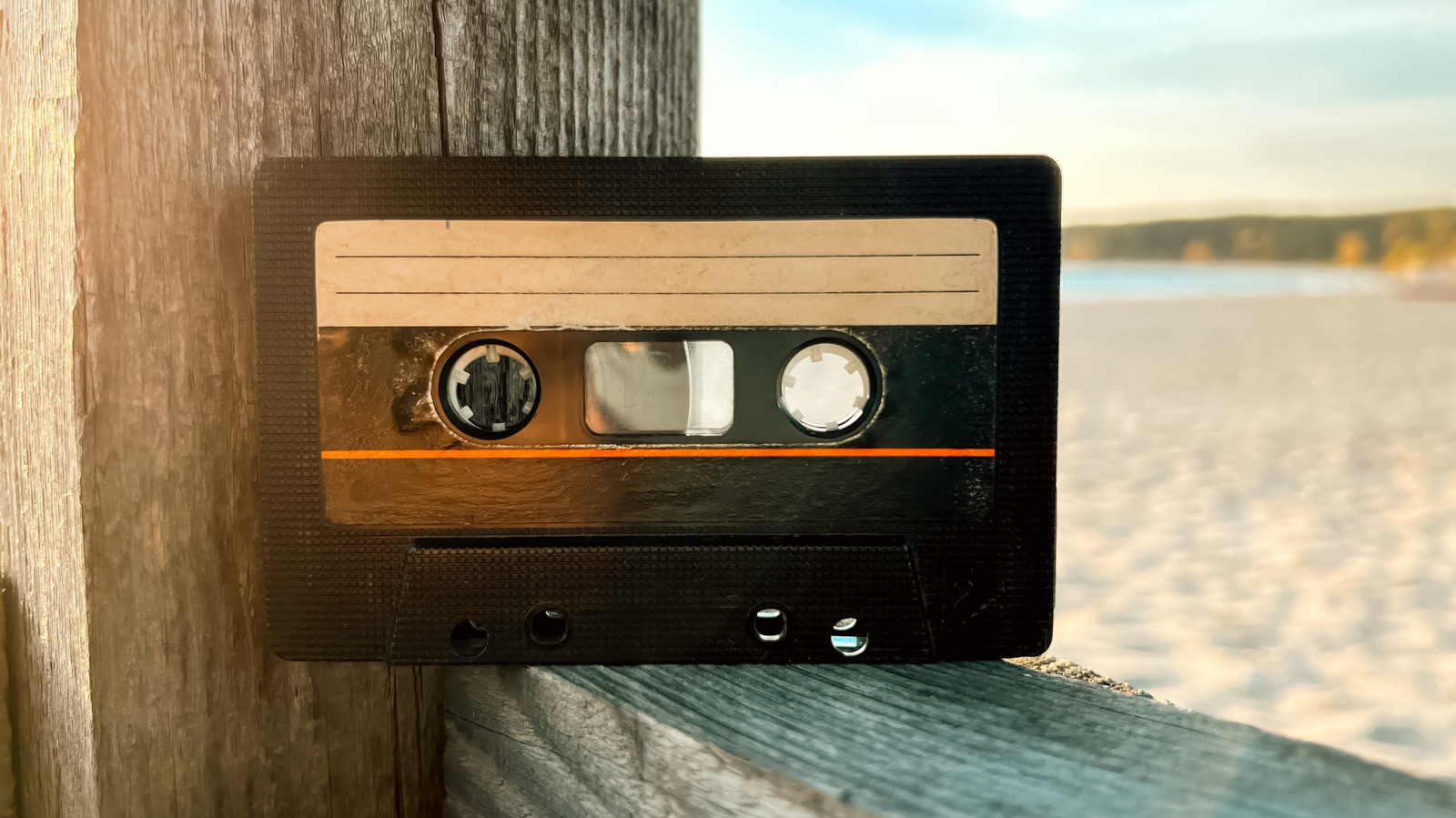
Cassette Tape Longevity: How Proper Storage Extends Playback Life
The newest consensus among analog-media specialists is that cassette tapes stored under controlled conditions can remain playable for up to a century, far beyond the oft-cited 30-year rule of thumb. This finding, reported by Engadget on September 19, 2026, hinges on temperature, humidity, and handling practices rather than any intrinsic material limit.
Understanding the Physics of Magnetic Tape Degradation
- Binder loss: The polymer that adheres magnetic particles to the Mylar substrate loses lubrication over time, causing stick-slip and eventual delamination.
- Magnetic decay: Thermal agitation can randomize the orientation of recorded domains, especially above 80 °F.
- Environmental catalysts: Moisture accelerates hydrolysis of the binder, while UV photons break polymer chains.
Takeaway: Even in a perfect vault, the binder will age; slowing that process is the only practical mitigation.
Cassette Tape Longevity: Storage Conditions and Expected Shelf-Life
| Condition | Expected Lifespan | Key Risk |
|---|---|---|
| Ideal (59-73°F, 25-55% RH, dark) | 50-100 years | Minimal binder oxidation |
| Moderate (70-80°F, 55-70% RH) | 20-30 years | Accelerated moisture-induced stickiness |
| Poor (>80°F or >70% RH, sunlight) | 5-10 years | Rapid polymer breakdown and magnetic loss |
Takeaway: Temperature swings are more damaging than a constant moderate climate.
Practical Storage Strategies for the Home Archivist
- Enclosure choice: Use rigid plastic tubs with airtight seals instead of cardboard boxes; the latter absorbs moisture.
- Orientation: Store tapes vertically, spine down, to avoid warping of the reels.
- Dust control: Lightly wipe shells with a lint-free cloth; avoid solvents that could dissolve the binder.
- Periodic playback: Run each tape at least once a year to redistribute lubricant and detect early failure.
- Rewind discipline: Always use the built-in rewind mechanism; manual rewinding with a pencil can introduce uneven tension.
Takeaway: Simple habits—cleaning, rewinding, and occasional playback—significantly extend functional life.
Digitization as a Risk-Management Layer
- Why digitize now?: Once binder failure reaches the point of tape shedding, audio loss becomes irreversible.
- Methodology: Connect a calibrated cassette deck to a computer via a line-in or USB interface; capture at 44.1 kHz/16-bit PCM for archival fidelity.
- Service options: Professional digitization labs offer batch processing with noise-reduction presets; DIY users can employ Audacity or Reaper for manual cleanup.
Takeaway: Digitization does not replace preservation but creates a fallback copy that survives physical decay.
Market Implications and the Emerging Retro Ecosystem
- Resurgence drivers: The vinyl revival and Gen-Z nostalgia have spurred a modest uptick in Walkman-style players that integrate Bluetooth streaming with built-in decks.
- Supply chain note: Small-batch manufacturers are re-tooling legacy tape mechanisms, but component scarcity (e.g., high-grade ferrite heads) keeps prices above $80 for a decent unit.
- Consumer risk: Buyers of cheap, untested decks may inadvertently expose tapes to higher bias voltages, accelerating wear.
Takeaway: The niche market for analog playback devices is growing, but quality control remains a barrier.
Second-Order Consequences for Cultural Heritage
- Archival institutions: Libraries that have cataloged cassette collections (e.g., radio broadcasts from the 1970s) must reassess storage protocols to meet the 50-year benchmark.
- Legal considerations: Copyright holders may demand preservation copies; proper storage documentation can demonstrate due diligence.
- Future-proofing: As AI-driven audio restoration tools improve, having a clean digital source will enable automated de-crackle and equalization, preserving the original listening experience.
Takeaway: Robust physical storage combined with timely digitization safeguards both private nostalgia and public heritage.
What to Watch Next in Analog Preservation
- Standardization efforts: The Audio Engineering Society is drafting guidelines for analog media longevity; adoption could create industry-wide best-practice certifications.
- Sensor-enabled storage: Emerging smart-box solutions (see the Home Assistant NFC media tags project) can monitor temperature and humidity in real time, alerting owners before conditions breach safe thresholds.
- Material innovation: Research into polymer binders with higher thermal stability may extend the theoretical ceiling beyond 100 years, though commercial rollout is years away.
Takeaway: Technological aids will increasingly automate preservation, but the core variables—temperature, humidity, handling—remain unchanged.
For a deeper dive into analog archiving best practices, see our guide on how to archive analog media. Additional technical background on magnetic tape can be found on the trusted Wikipedia entry for Magnetic tape.
In summary, cassette tapes are not doomed after three decades; with disciplined storage and proactive digitization, they can serve as functional audio artifacts for generations. The key is to treat them as living media, not static relics, and to apply the same rigor to analog formats that modern digital workflows demand.
Related coverage
- Microsoft Defender and Malwarebytes Lead PC Malware Checks in 2026
- Home Assistant on Raspberry Pi Enables NFC Media Tags, Smart Charging, Power-Monitoring Appliances, and Location-Based Shopping Lists
- Apple AirPods 5 Review: Enhanced Audio and Controversial Pricing Strategy