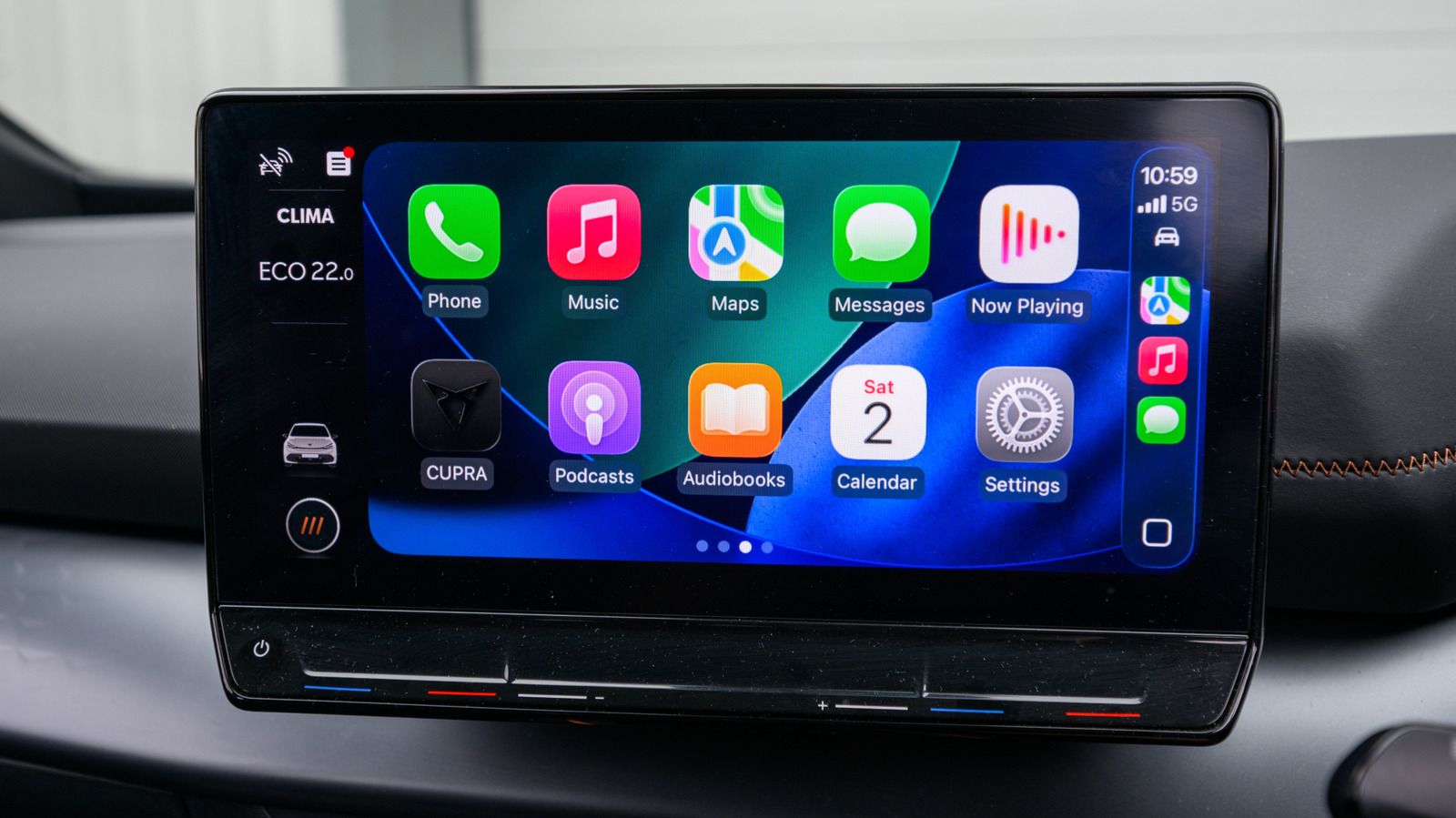
Overview of Apple CarPlay Ultra and Standard CarPlay
Apple CarPlay Ultra represents the next evolutionary step for the iPhone-based infotainment bridge. While legacy CarPlay mirrors a simplified iOS UI on a single screen, Ultra projects that UI to every display, from the instrument cluster to rear-seat entertainment units. The rollout began on September 19, 2026, limited to select Aston Martin DBX and Vantage models in the United States and Canada. This article examines the technical distinctions, market dynamics, and future implications of Apple CarPlay Ultra.
Technical differentiation of Apple CarPlay Ultra
- Screen scope: Standard CarPlay confines the interface to one infotainment screen, typically the central console. Apple CarPlay Ultra distributes the same UI across all vehicle displays, enabling drivers to see navigation, media, and vehicle data without shifting focus.
- Vehicle subsystem access: Ultra APIs expose speedometer, fuel-level, and HVAC data to iOS apps. Developers can overlay custom gauges, climate presets, or performance metrics directly within the CarPlay UI.
- Customization engine: The new CarPlay Designer Kit lets OEMs map UI widgets to vehicle data streams, creating a racing-game-style heads-up display that updates in real time.
- Wireless-only connectivity: Legacy CarPlay supports USB or Wi-Fi; Ultra drops the cable entirely, using the iPhone’s 5 GHz Wi-Fi Direct for low-latency data exchange.
These changes eliminate the “exit CarPlay” step drivers previously needed to adjust climate or driving-mode settings, reducing cognitive load and potential distraction.
Availability constraints and OEM dynamics
- Current rollout: Only the 2026-2027 Aston Martin DBX and Vantage ship with Ultra-ready hardware. Porsche showcased a prototype in 2023 but has not released a production version, indicating OEM hesitance.
- Why luxury only?: Ultra requires a high-bandwidth CAN-bus bridge and a secure enclave to expose vehicle telemetry to third-party iOS code. Integrating this into mass-market platforms would demand costly redesigns of existing ECUs, a barrier for budget manufacturers.
- Regulatory angle: EU regulations on driver-assist data isolation may delay broader adoption until compliance frameworks are finalized.
Ecosystem impact on developers and users
- App opportunities: Navigation apps can now render real-time speed-limit overlays on the speedometer, while music services could sync visualizers with ambient lighting.
- Security considerations: Exposing vehicle controls to iOS raises the attack surface. Apple mandates signed binaries and runtime attestation, but OEMs must still harden gateway firmware. For further reading see Apple’s CarPlay security guide at https://developer.apple.com/carplay/.
- User experience: Early testers report a seamless transition from iPhone to car, with Siri handling climate adjustments without leaving the map view. However, the requirement for wireless CarPlay means older vehicles lacking Wi-Fi Direct cannot benefit.
Market implications and watch list
- Competitive pressure: Android Auto’s “Extended Display” preview, announced in early 2026, mirrors many Ultra features. Apple’s limited launch may spur OEMs to negotiate broader licensing deals.
- Future expansion: Apple’s roadmap hints at “CarPlay Ultra 2.0” with over-the-air updates for vehicle firmware, though no timeline is disclosed. Watch for announcements from GM and Hyundai at the upcoming AutoTech Expo in November.
- Consumer risk: Users must keep their iPhone OS up-to-date; a missed security patch could theoretically expose vehicle controls to malicious apps, though Apple’s sandboxing mitigates most threats.
What to watch next for Apple CarPlay Ultra
- OEM adoption: Monitor statements from mid-range manufacturers such as Hyundai and Kia, which have filed provisional patents for deeper iOS integration.
- Regulatory developments: EU and US safety agencies are drafting guidelines for third-party access to vehicle control surfaces; compliance will shape the speed of Ultra’s diffusion.
- Developer ecosystem: The release of the CarPlay Designer Kit documentation (see internal guide at /carplay-designer-kit) will likely trigger a wave of third-party apps that leverage the new APIs.
Bottom line
Apple CarPlay Ultra marks a substantive architectural shift: iOS now acts as a first-class vehicle controller rather than a peripheral app launcher. The current scarcity to high-end Aston Martin models underscores the technical and business hurdles of deep integration. As OEMs evaluate the cost-benefit of exposing vehicle subsystems, the next wave of CarPlay-enabled cars will likely appear in premium segments before trickling down to mainstream fleets.
This analysis draws on the Engadget report by Filipe Espósito and incorporates publicly available specifications from Apple’s developer documentation.
Related coverage
- Home Assistant on Raspberry Pi Enables NFC Media Tags, Smart Charging, Power-Monitoring Appliances, and Location-Based Shopping Lists
- Apple AirPods 5 Review: Enhanced Audio and Controversial Pricing Strategy
- Microsoft Defender and Malwarebytes Lead PC Malware Checks in 2026