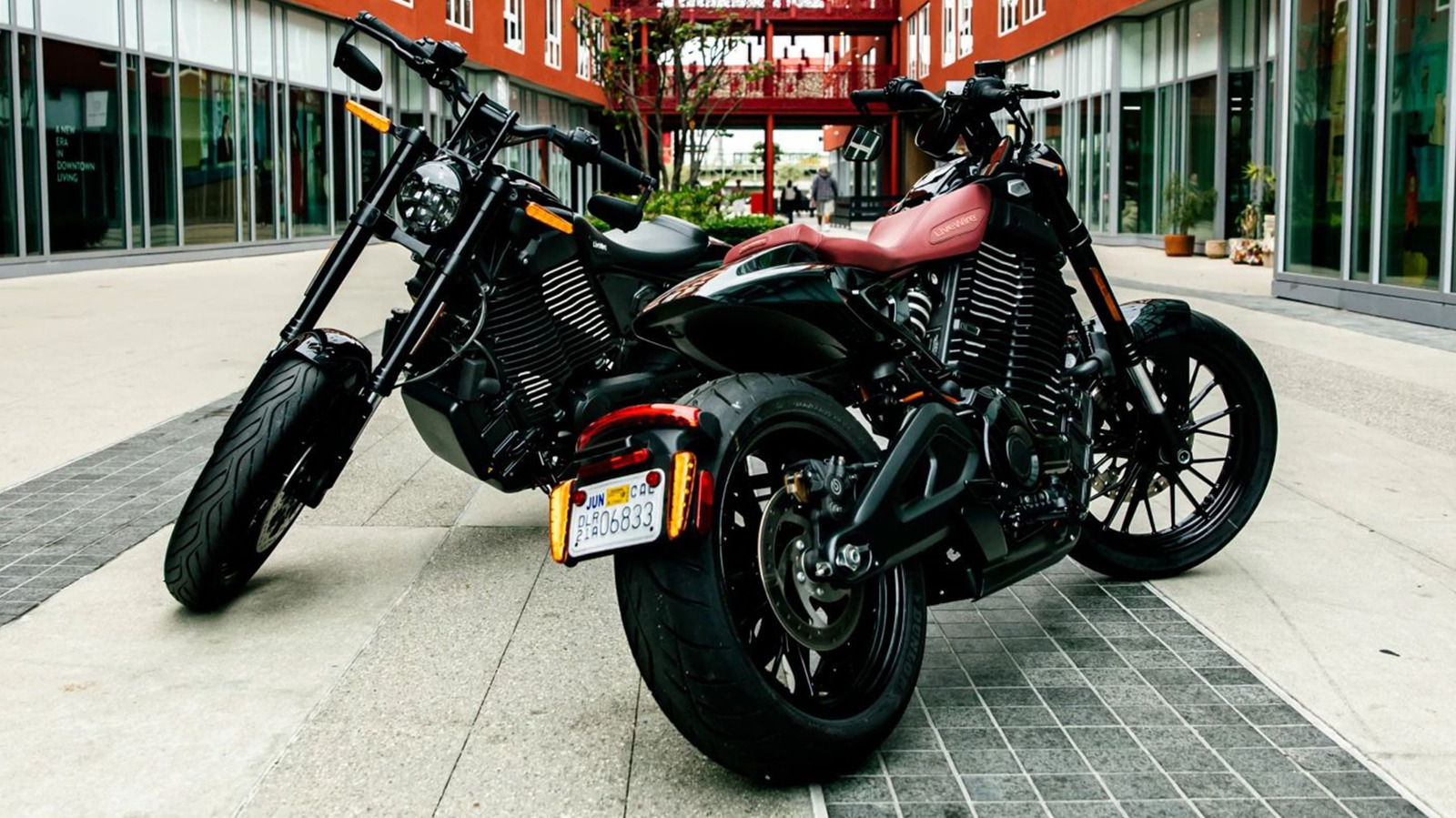
What triggered LiveWire’s going-conscious warning?
LiveWire, the electric motorcycle spinoff of Harley-Davidson, announced substantial doubt about its ability to continue as a going concern in its latest quarterly report. The company cited recurring operating losses, negative cash flows, and limited liquidity resources as the primary reasons for the warning. This announcement came despite a rise in LiveWire’s sales this quarter and its 80% market share in the 50+ kW on-road EV segment.
LiveWire’s market position and the high-power niche
LiveWire currently commands 80% of the 50+ kW on-road electric motorcycle market in the United States. The electric motorcycle segment grew to a record 10.17 million units in 2025, but growth remains concentrated in Southeast Asia and Africa, with North America expanding by 27% last year. The company’s dominance in this high-power niche contrasts with the broader motorcycle market, where internal combustion engine (ICE) models still hold nearly 88% of sales as of 2024.
New models and pricing strategy
LiveWire is rolling out the S4 Honcho series, with a starting price under $5,000. The company delivered the first units of the S4 Honcho Trail to the U.S. market and plans to ship the S4 Honcho Street version to dealerships in October. A newer model, the Dust Spur, has also been revealed. These lower-priced offerings aim to broaden LiveWire’s customer base and improve cash flow.
Restructuring steps and committee mandate
LiveWire has formed a special restructuring committee to explore financing, a sale, restructuring, strategic partnerships, and other options. The committee will assess whether external capital, a potential acquisition, or a strategic alliance could stabilize the unit. Harley-Davidson, which held a 74% stake in LiveWire before its SPAC spin-off in 2022, is likely to be involved in any major decision.
Financial outlook after the warning
LiveWire withdrew its previous guidance that projected a 2026 operating loss in the $70 million to $80 million range. The company no longer provides a clear forecast for the coming years, reflecting uncertainty about its ability to generate sustainable cash flow. Investors and analysts will now focus on the outcomes of the restructuring committee’s recommendations.
Implications for Harley-Davidson’s brand and strategy
Harley-Davidson’s legacy as an American icon faces a test as its electric motorcycle arm struggles financially. The brand’s new, cheaper e-motorbikes could expand its presence in other territories and boost cash flow if the company can navigate its current financial troubles. However, the going-conscious warning signals that the unit’s profitability remains elusive.
Broader implications for the EV motorcycle market
LiveWire’s situation underscores the challenge of scaling high-power electric motorcycles while maintaining profitability. Even with a dominant market share, recurring losses and liquidity constraints can derail a company’s operations. Other manufacturers may need to balance pricing, battery cost, and supply chain efficiency to avoid similar pitfalls.
What stakeholders should watch next
Stakeholders should monitor the special restructuring committee’s progress, any new financing or partnership announcements, and the commercial performance of the S4 Honcho series. The outcome will determine whether LiveWire can sustain operations or if a sale or restructuring becomes inevitable.
LiveWire going concern: What the warning means for investors
The going-conscious warning signals that LiveWire may not meet its short-term obligations without additional capital or a strategic change. Investors will scrutinize the committee’s recommendations for a potential sale, equity infusion, or cost-cutting plan. The company’s ability to secure financing will hinge on its high market share, brand equity, and the perceived viability of its new product lineup.
LiveWire’s pricing strategy and market expansion
LiveWire’s decision to launch the S4 Honcho series at a lower price point reflects a shift toward volume growth. The company aims to capture a broader customer base in North America and potentially in emerging markets where price sensitivity is higher. Success will depend on the ability to maintain battery supply, control manufacturing costs, and deliver a compelling value proposition against ICE competitors.
Related coverage
- Meta Waddle World Launches as Tamagotchi-Style AI Pet App
- Microsoft Azure revenue Hits $33.2 B in Q3, Outpaces Google Cloud
- AI Startup Data Acquisition Fuels New AI Training Market