LE Audio headphones bring clearer calls and balanced battery life
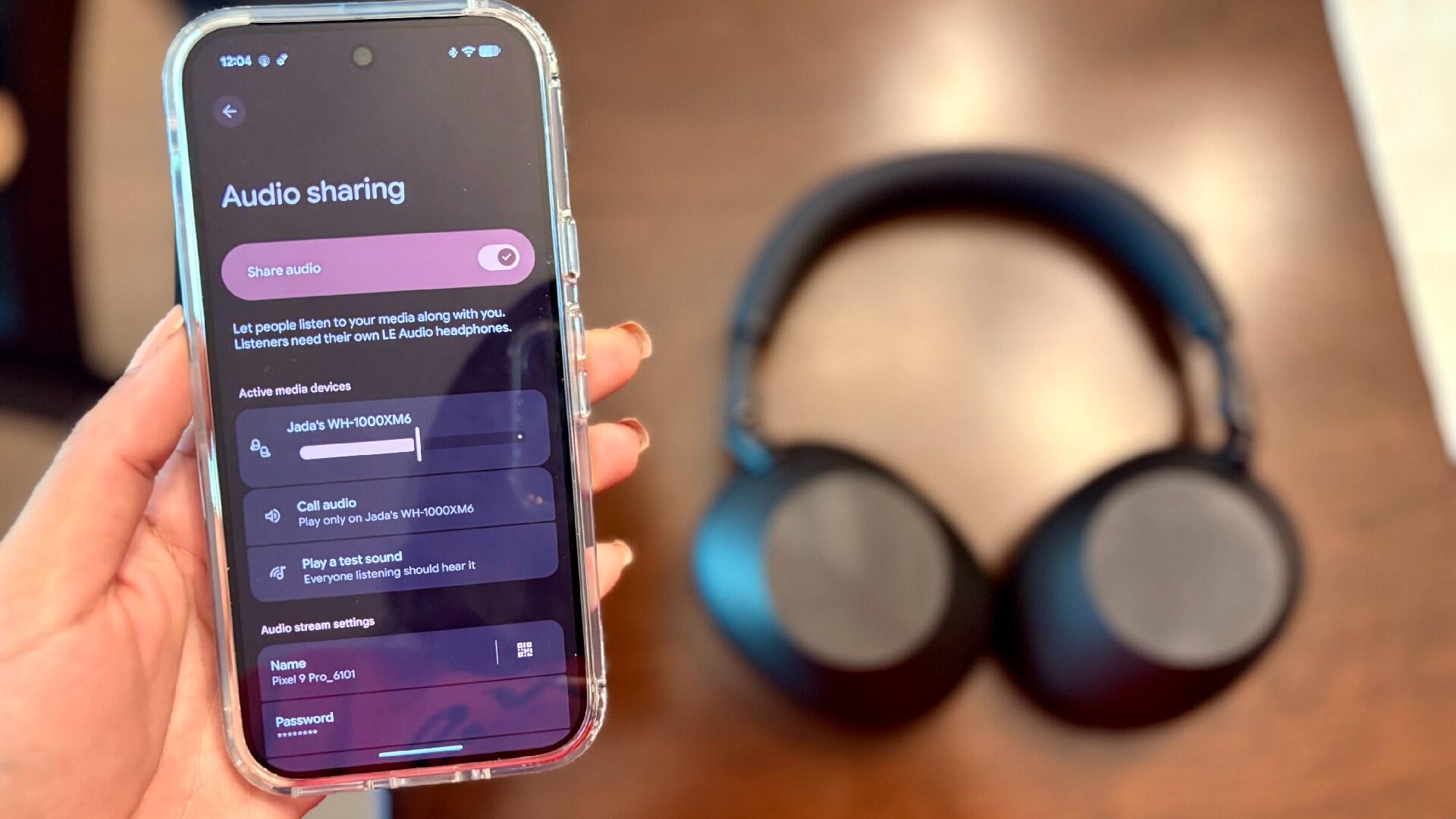
LE Audio headphones now deliver better voice quality, balanced battery drain, and multi-stream audio through firmware updates from JBL, Sony, and Bose. On October 29, 2026, ZDNET reported that JBL’s Tour Pro 3 earbuds received an OTA update that added LE Audio, Sony’s WF-1000XM6 earbuds shipped with native LE Audio support, and Bose upgraded its flagship QuietComfort 45 headphones via a firmware patch.
Consolidated voice and media profiles
Bluetooth Classic required two separate profiles: Advanced Audio Distribution Profile (A2DP) for media and Hands-Free Profile (HFP) for voice. The two profiles had to alternate, forcing the audio stack to drop frames and producing choppy voice during calls or when gaming. LE Audio replaces both with the Unified Telephony and Media Audio Profile (TMAP) and the Low Complexity Communication Codec (LC3). TMAP can carry media and voice streams simultaneously, keeping the packet flow steady and preserving call quality even when the headset is also streaming a game or video.
Independent streams cut battery asymmetry
In Classic Bluetooth, the source device sends audio to one earbud, which then forwards it to the other. That relay step drains the receiving earbud faster, leaving one side noticeably lower on battery. LE Audio introduces native multi-stream audio, allowing each earbud to receive its own stream directly from the source. The result is balanced battery life and eliminates the need for manufacturers to implement custom workarounds.
Firmware-only upgrade path
Bose’s QuietComfort 45, a flagship model that had not shipped with LE Audio, now supports it after a firmware update. The update also unlocks multi-stream audio and improves voice clarity during calls. Because the upgrade is OTA, users can benefit without purchasing new hardware, but the update also signals that Bose is preparing its next generation to ship with native LE Audio.
Market momentum
Sony’s WF-1000XM6 earbuds, released in February 2026, shipped with LE Audio from the factory. The earbuds already feature noise cancellation and adaptive sound, and the addition of LE Audio gives them a clear advantage in call quality and battery parity over competitors that still rely on Classic Bluetooth.
JBL’s Tour Pro 3, updated in September 2026, now offers the same benefits. The OTA update is a cost-effective way for JBL to keep its product line competitive without redesigning the hardware.
What users gain
- Voice calls over cellular, Zoom, Teams, or other VoIP apps will sound clearer and less laggy.
- True-wireless earbuds will no longer suffer from one side draining faster.
- Users can enjoy multi-stream audio for gaming or media without waiting for a new headset.
The rollout of LE Audio across these brands indicates that the industry is moving toward a single, efficient audio stack. Future releases will likely ship with native support, reducing the need for OTA patches and ensuring a smoother user experience.
Implications for manufacturers
Manufacturers that have not yet adopted LE Audio face a choice: invest in new silicon that supports LC3 and TMAP or rely on firmware updates that may not fully unlock the potential of the new stack. The cost of redesigning the audio pathway can be significant, but the long-term benefits include lower power consumption, improved call quality, and a more consistent user experience across devices.
Risks and caveats
LE Audio is still a relatively new standard. Firmware updates may expose bugs that affect latency or compatibility with older operating systems. Users who rely on legacy devices may experience reduced performance until their software stack is updated. Additionally, the new profiles require support from the host device; if a smartphone or computer does not implement TMAP, the benefits will be limited.
What to watch next
- The pace at which other major brands, such as Apple and Samsung, ship native LE Audio support.
- The adoption of LC3 in low-power devices beyond headphones, such as smart speakers and hearing aids.
- The evolution of the Bluetooth specification to include mandatory support for LE Audio in future releases.
Related coverage
- Old Chromebook Repurpose: Keep Your Device Alive After a Googlebook Upgrade
- Microsoft Azure revenue Hits $33.2 B in Q3, Outpaces Google Cloud
- Anthropic IPO: Amazon’s Convertible Notes Outpace VC Gains