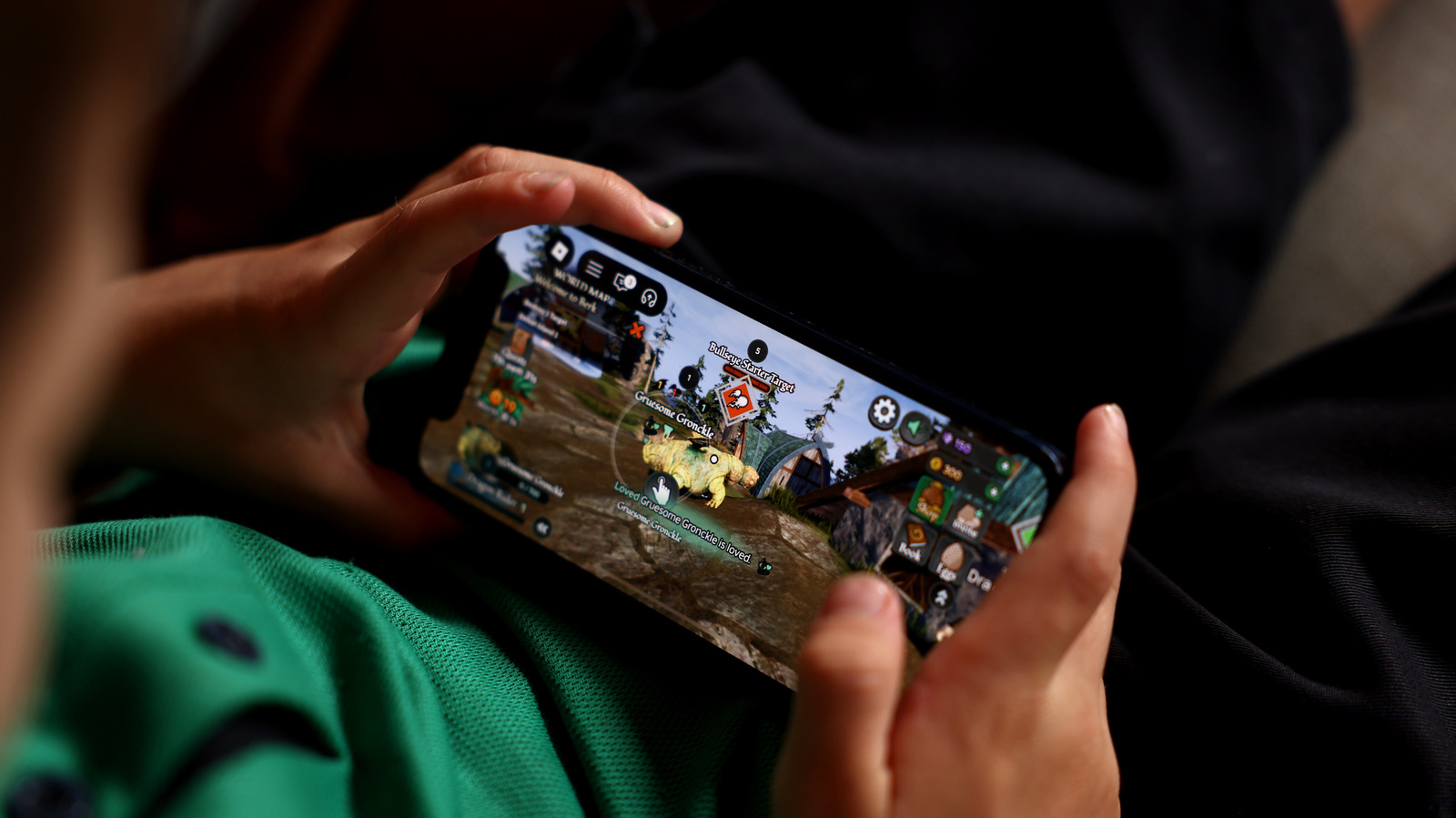
Apple's Beats-branded gaming controller for iPhone could be closer than ever. Bloomberg reporter Mark Gurman confirmed that two hardware projects—codenamed T6502 and T1057—are in active development and are being handled by Beats product executives. The devices feature dual thumbsticks, shoulder triggers, and a D-pad, matching the layout of mainstream console pads and positioning them as first-party alternatives to third-party options like Backbone or SteelSeries. This development marks the first concrete glimpse of an Apple Beats gaming controller that could ship alongside the next iPhone generation.
Hardware specifications uncovered in macOS code
- Dual analog sticks with 10-bit resolution, comparable to the Xbox Series S controller.
- Four shoulder buttons (L1, L2, R1, R2) supporting analog pressure curves.
- Eight-direction D-pad mapped to the iOS Game Controller API.
- Bluetooth Low Energy 5.2 for sub-30 ms latency, matching Apple’s AirPods latency targets.
- Battery: 400 mAh rechargeable cell, estimated 12-hour playtime.
- Form factor: Slightly narrower than the standard Xbox controller, optimized for one-hand grip on the iPhone’s 6.7-inch display.
These details emerged from a macOS release candidate that referenced the two device IDs. The code snippet listed controllerType = T6502 and controllerType = T1057, each with a flag for hasThumbsticks = true and hasDpad = true. While the snippet does not disclose final pricing, the involvement of Beats suggests a strategic cost reduction.
Why Beats is handling the Apple Beats gaming controller
- Brand positioning: Beats has cultivated a youth-centric, music-and-gaming culture, making it a natural fit for a controller that will likely sport the iconic Beats logo.
- Cost structure: Beats products traditionally use polymer shells and fewer premium metals, allowing Apple to avoid the high-cost materials (e.g., aerospace-grade aluminum) used in its flagship accessories.
- Ecosystem synergy: Beats already integrates tightly with Apple’s H1 chip for seamless pairing; a controller could leverage the same chip to reduce latency and simplify firmware updates.
Gurman notes that a Beats-branded controller could "skip out on the typical premium materials and styling," potentially undercutting existing Apple-branded accessories while still delivering a high-quality experience.
Market impact and developer implications
- Game developers: iOS developers will gain a native, low-latency input device that mirrors console controls, encouraging richer, controller-first titles on the App Store.
- Accessory ecosystem: Third-party makers may need to differentiate on ergonomics or specialty features (e.g., programmable macros) as Apple-Beats enters the space.
- Pricing pressure: If Beats prices the controller around $79–$99, it could force competitors like SteelSeries to revisit their pricing tiers for iPhone-compatible pads.
- Software stack: Apple’s Game Controller framework already supports MFi controllers; a first-party Beats device will likely receive deeper OS integration, such as automatic UI prompts and haptic feedback APIs.
For technical reference, see the official Apple Game Controller documentation: Apple Developer documentation.
Timeline, supply clues, and regulatory outlook
- Development window: Gurman reports the projects have been in the works for "more than a year," indicating a possible launch in late 2026 or early 2027 to align with the iPhone 18 series refresh.
- Supply chain hints: Recent filings show increased orders for Bluetooth 5.2 modules and polymer casings at Foxconn facilities, matching the spec sheet above.
- Regulatory outlook: No FCC filings have been identified yet, suggesting Apple may still be finalizing radio certifications.
Risks, incentives, and what changes next
Apple’s incentive is clear: capture the growing mobile-gaming market without cannibalizing its own high-margin accessories. By leveraging Beats’ brand equity, Apple can price the controller aggressively while still extracting a margin. The risk lies in potential quality perception; if the Beats controller feels cheap, it could tarnish both Beats and Apple’s premium image. Additionally, tighter integration may limit third-party innovation unless Apple opens new API hooks. Expect Apple to monitor early adoption metrics closely and iterate on haptic feedback and battery life in subsequent revisions.
What to watch next
- Official Apple event: Keep an eye on the September iPhone launch; Apple often bundles accessories announcements with new hardware.
- Patents: Recent Beats patents for "haptic feedback on handheld gaming devices" could hint at vibration motors integrated into the controller.
- Developer beta: The iOS 18 beta may include new Game Controller APIs that expose advanced haptic patterns, potentially tied to the Beats controller’s firmware.
- Reference implementations: reference implementations
- Original source: Engadget article
Takeaway: Apple’s internal prototypes suggest an Apple Beats gaming controller is technically ready, with dual sticks, shoulder triggers, and low-latency Bluetooth. By leveraging Beats’ brand and cost structure, Apple could deliver a competitively priced, first-party controller that reshapes the iOS gaming accessory market and gives developers a reliable input standard.
Related coverage
- iPhone 18 Pro Max vs Samsung Galaxy S26 Ultra: Technical Deep-Dive
- Lenovo Googlebook 15 Leaks Reveal Premium Hardware That Challenges Chromebook Pricing
- Windows 11 audio glitch: September update silences legacy USB devices – workaround