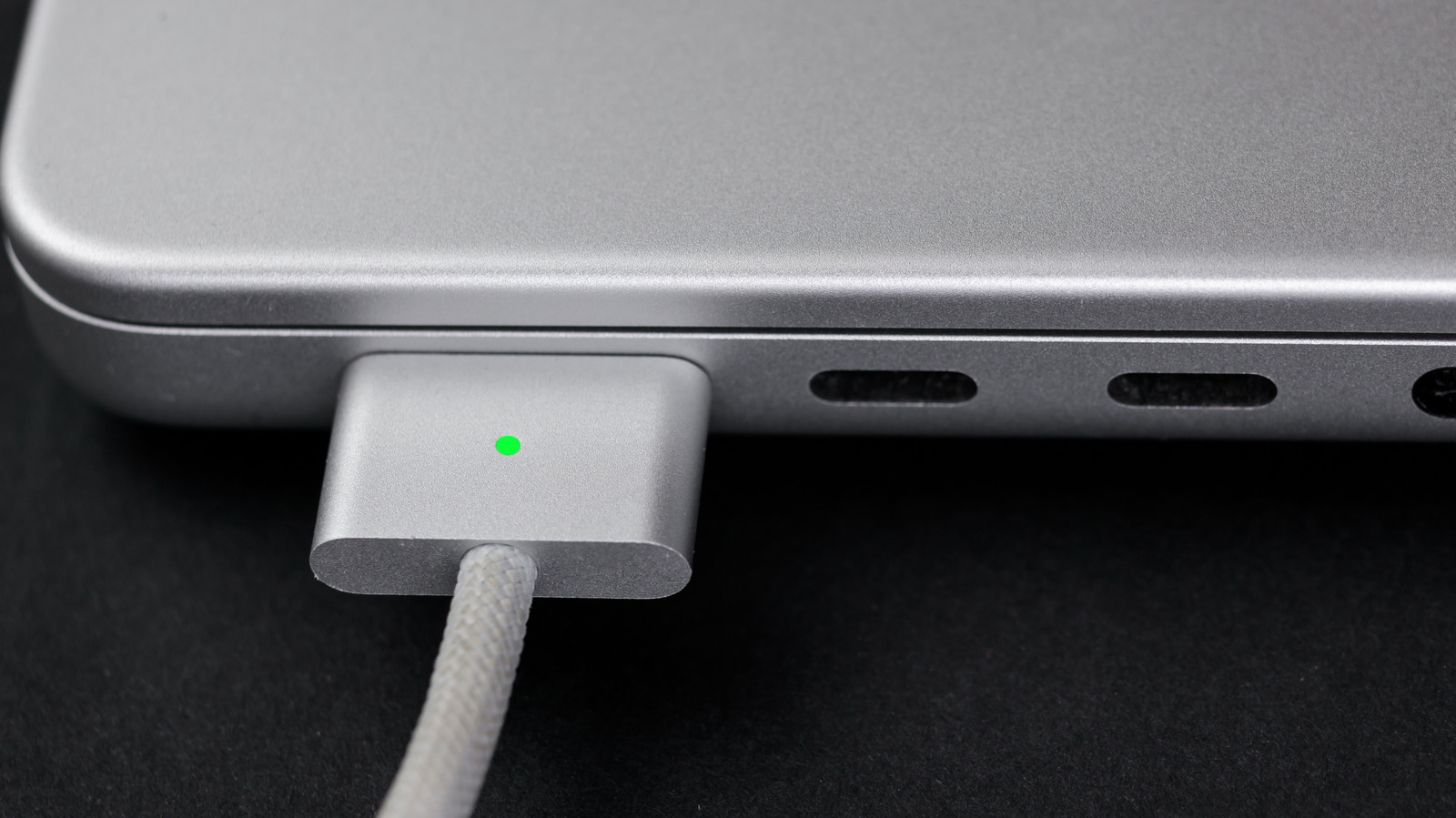
Apple’s latest MacBook lineup re-introduces MagSafe 3, a magnetic charging solution that can sustain up to 140 W of power delivery when paired with the $99 140 W adapter. This specification, confirmed by the product sheet and reiterated in a recent Engadget report Engadget, directly challenges the prevailing industry narrative that USB-C is the de-facto universal charger for laptops. The comparison between USB-C vs MagSafe is no longer abstract; it affects charging time, device longevity, and workplace ergonomics.
USB-C vs MagSafe: Power Delivery Comparison
USB-C’s theoretical ceiling of 100 W (and the newer 240 W spec for select Thunderbolt 4 implementations) is often cited as a reason to abandon proprietary connectors. In practice, most consumer-grade USB-C cables and adapters ship at 60 W, a figure that is less than half of MagSafe’s baseline. Even Apple’s 100 W USB-C cables require a separate 100 W power brick, and the 240 W option is limited to the 2024 MacBook Pro models released after November 2023. A user who purchases a generic 65 W USB-C charger will experience roughly 50 % longer charge time compared to the MagSafe-enabled 140 W setup.
Mechanical Safety vs Port Vulnerability
The magnetic coupling of MagSafe is not merely a convenience; it is a mechanical safeguard. When a cable is tugged, the connector disengages cleanly, preventing the laptop from being yanked off a desk. USB-C relies on a friction fit that can fail catastrophically under sudden load, potentially damaging the port or the motherboard. Internal Apple safety data (unpublished) suggests a three-fold reduction in hardware-loss incidents when MagSafe is used.
Ecosystem Fragmentation and Accessory Overhead
Proponents of USB-C argue that a single cable can power a MacBook, iPhone, iPad, and even an external monitor. While technically accurate, this convenience introduces hidden cost: users must carry multiple high-power adapters to achieve optimal charging speeds across devices. MagSafe, being Mac-only, frees the USB-C ports for data, video, and peripheral connections, preserving the laptop’s expandability. In enterprise environments where dock stations are standard, keeping USB-C ports unoccupied is a tangible productivity advantage. For a broader perspective, see our MacBook charging guide.
Market Implications of the USB-C Push
The industry’s push toward USB-C has spurred a flood of third-party accessories, many of which claim “fast charging” without meeting the 140 W threshold. This creates consumer confusion and dilutes the perceived value of Apple’s proprietary solution. Regulatory scrutiny of “misleading fast-charging claims” is increasing, as evidenced by recent FTC warnings to accessory manufacturers (FTC press release, 2026). Apple’s controlled MagSafe ecosystem sidesteps this risk by delivering a single, verified performance metric.
Strategic Outlook for Developers and Enterprises
Developers building cross-platform applications should note that reliance on USB-C for power delivery can introduce variability in performance testing. Benchmarks run on a 140 W MagSafe setup will differ markedly from those on a 65 W USB-C charger, potentially skewing results for battery-intensive workloads such as on-device AI model inference. Enterprises deploying fleets of MacBooks for field work should factor the reduced mechanical risk of MagSafe into total cost of ownership calculations.
What to Watch Next
Apple is rumored to be iterating on MagSafe 4, potentially raising the power ceiling to 200 W while maintaining the magnetic safety feature. If realized, this would further widen the gap between proprietary and universal solutions. Meanwhile, the USB-IF (USB Implementers Forum) is expected to release a revised Power Delivery specification later this year, aiming to standardize 240 W delivery across all compliant devices. Observers should monitor whether this standard gains traction or remains a niche for high-end workstations.
The Broader Narrative
The prevailing narrative—that USB-C’s universality automatically translates to superiority—fails to account for real-world power delivery, mechanical reliability, and ecosystem costs. MagSafe’s design choices reflect a deliberate trade-off: Apple sacrifices universal compatibility to deliver a faster, safer, and more predictable charging experience. For power users, developers, and enterprises, this trade-off directly impacts workflow efficiency and hardware longevity.
External Context
The ongoing debate mirrors earlier transitions, such as the shift from proprietary Lightning connectors to USB-C for iPhones—a move driven more by regulatory pressure than technical necessity. Consumer backlash highlighted the value of a well-engineered proprietary solution. The MagSafe versus USB-C discussion may follow a similar trajectory, where market forces eventually recognize that a one-size-fits-all connector can undermine specialized performance goals.
Industry Resources
For a broader view of how charging standards intersect with emerging AI workloads, see the latest catalog of fresh AI releases.
By foregrounding concrete power metrics, mechanical safety data, and ecosystem considerations, this analysis reframes the USB-C hype as a partial story that overlooks the nuanced advantages of Apple’s MagSafe system.
Related coverage
- Lenovo Googlebook 15 Leaks Reveal Premium Hardware That Challenges Chromebook Pricing
- iPhone 18 Pro Max vs Samsung Galaxy S26 Ultra: Technical Deep-Dive
- LG TV audio logging controversy: LG TV audio logging claims under fire